

Blog
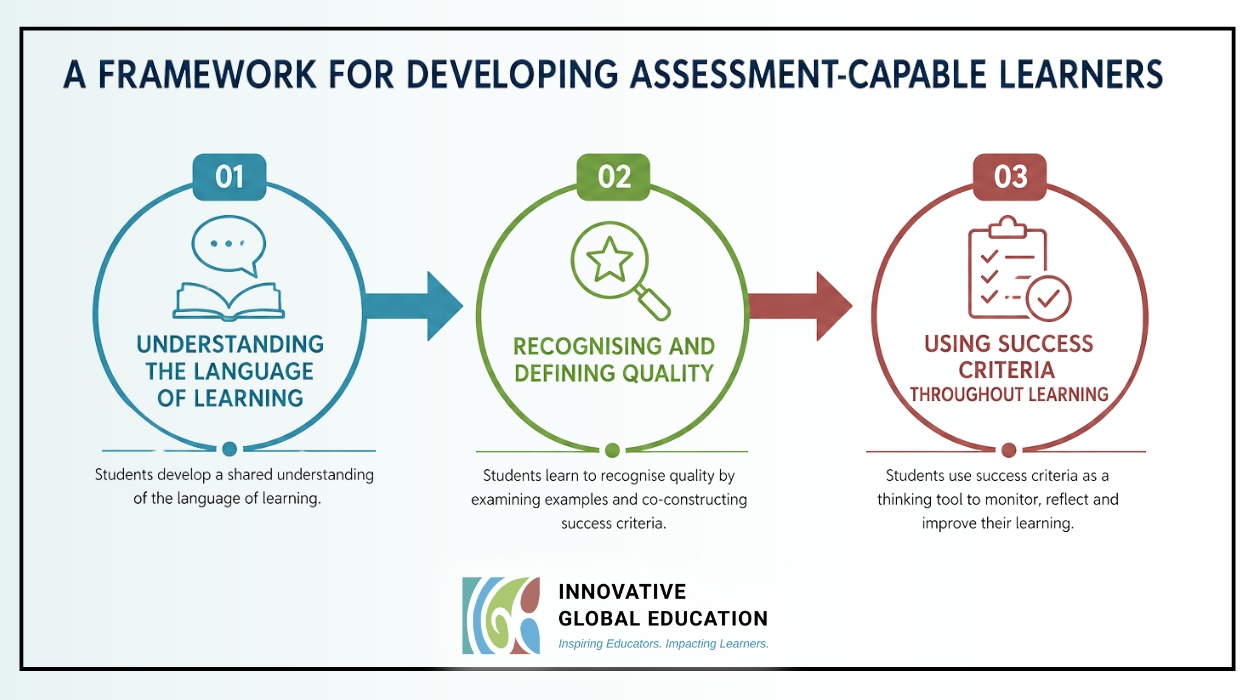
Developing Assessment-Capable Learners: A Framework for Understanding Success, Recognising Quality and Using Success Criteria Throughout Learning
Assessment-capable learners are not developed through a single lesson, strategy or assessment task. They are developed gradually through the everyday learning experiences we design and the conversations we have with students about learning.
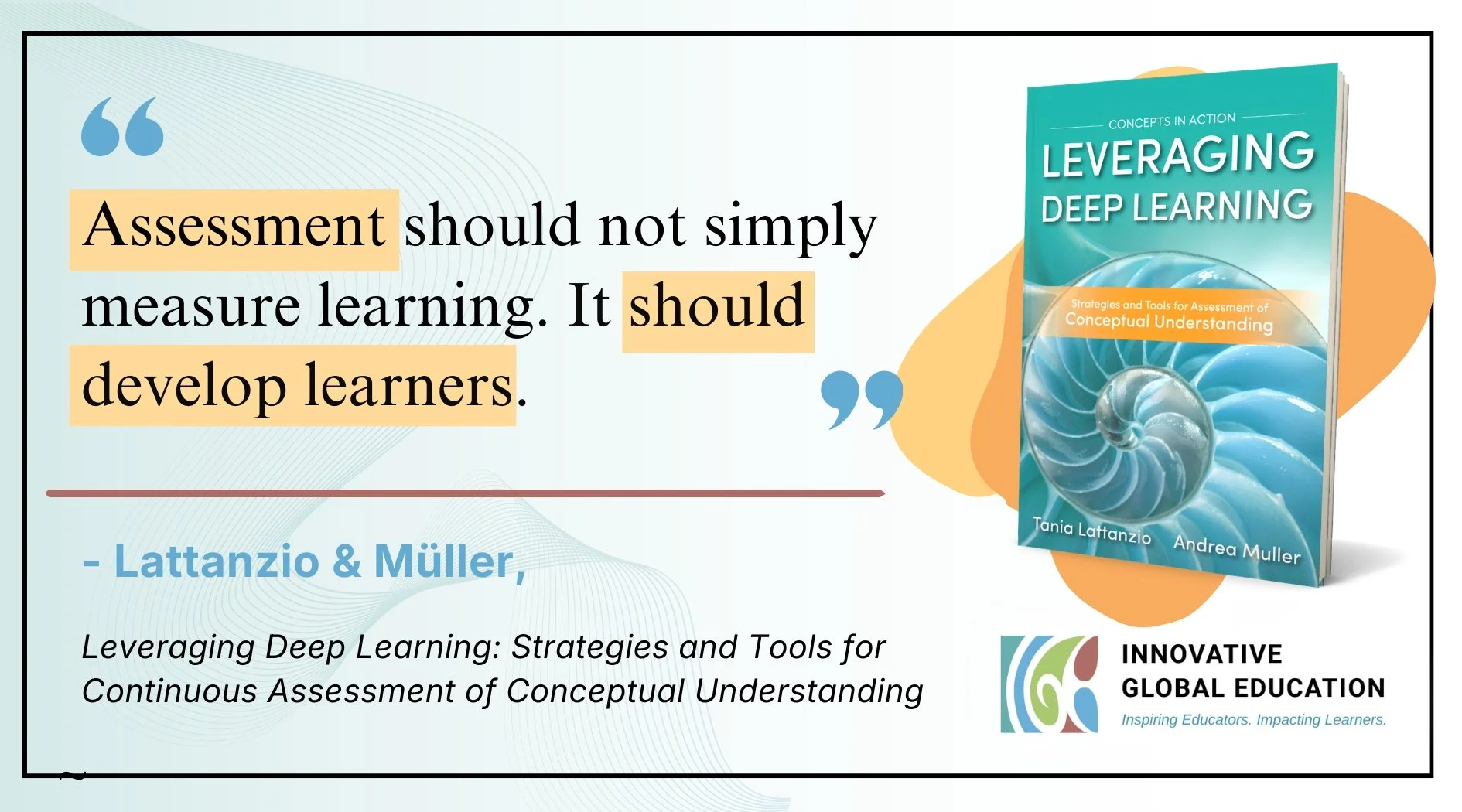
Developing Assessment-Capable Learners
Over the past month, I have had the privilege of working alongside teachers in schools globally. Although every context has been different, one conversation has continually surfaced.
“How do we move students from being assessed to becoming active participants in the assessment process?”
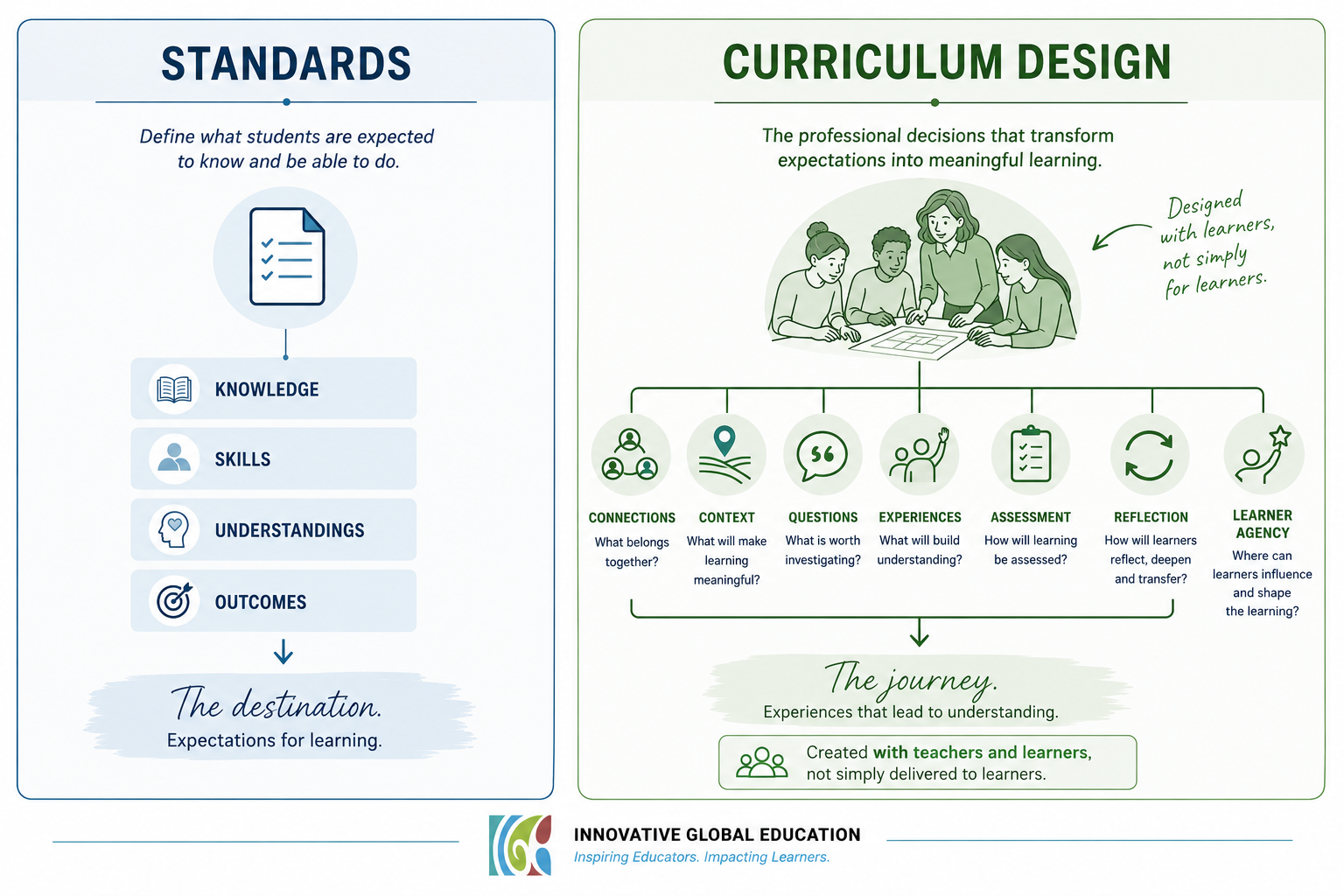
Teachers Don't Just Teach the Curriculum. They Design It.
Recently, I found myself reflecting on a conversation I had over a year ago with Allison Nave and John Willoughby at Shanghai American School.
They were exploring what it might look like to think differently about curriculum design in mathematics. Rather than organising learning around isolated strands, they wanted to shift the learning to authentic, meaningful experiences that naturally bring multiple mathematical ideas together.
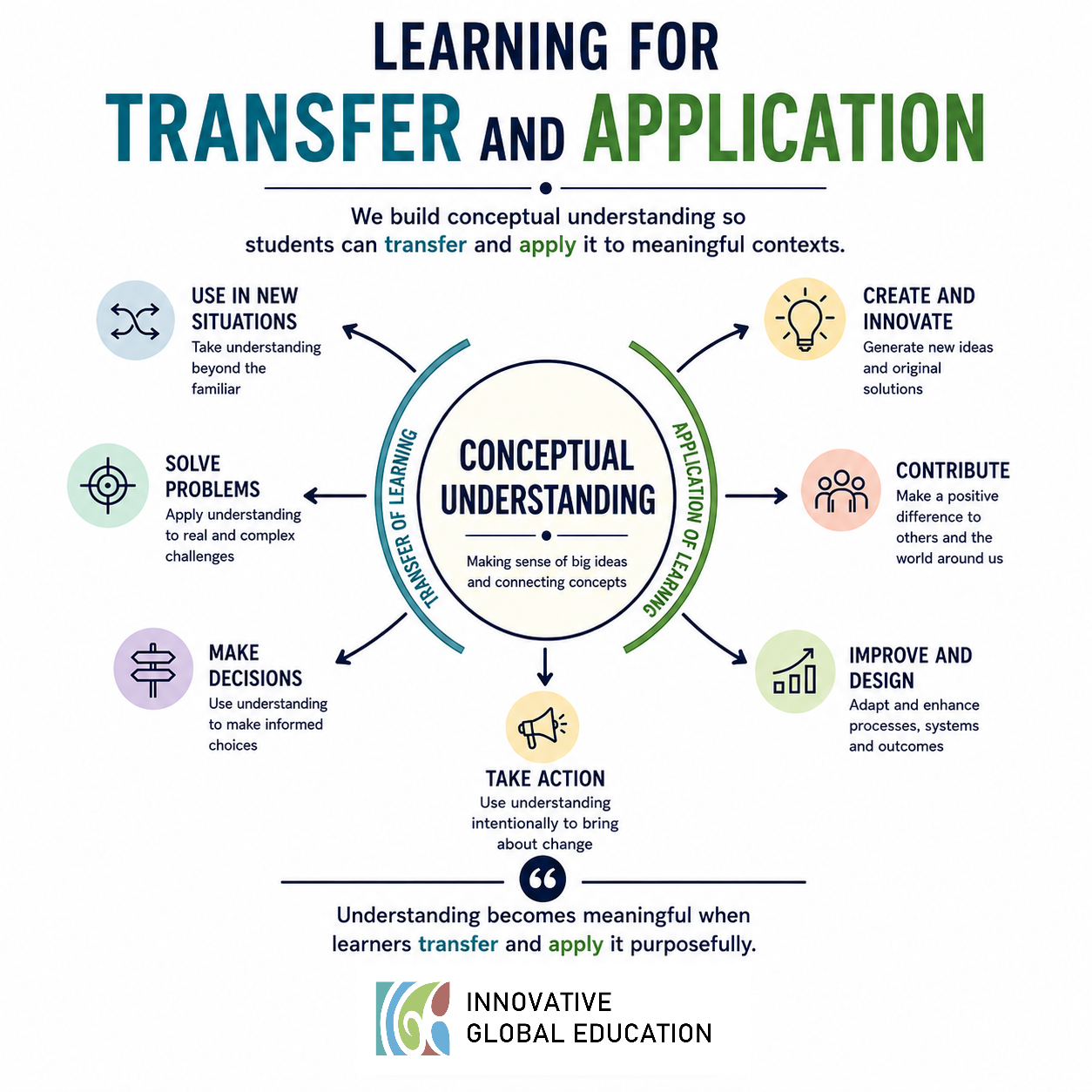
What Are Students Going to Do With Their Learning?
Tina Blythe (1998) reminds us that understanding is "a matter of being able to do a variety of thought-demanding things with a topic."
Students should not merely learn about something. They should do something with their learning.
Too often assessment is viewed as the end point of learning. Students complete a unit, sit a test, create a presentation, submit a project, and the learning is considered complete.
But what if we viewed assessment differently?

From Easily Digestible to Inquiry: Designing for Curiosity, Complexity, and Meaning
“Fill the class with the type of complexity that invites inquiry… provide children with interesting materials, seductive details and desirable difficulty… instead of materials that have been made as straightforward and digestible as possible… make sure children encounter objects, texts, environments that will draw them in and pique their curiosity.” — Susan Engel, The Hungry Mind
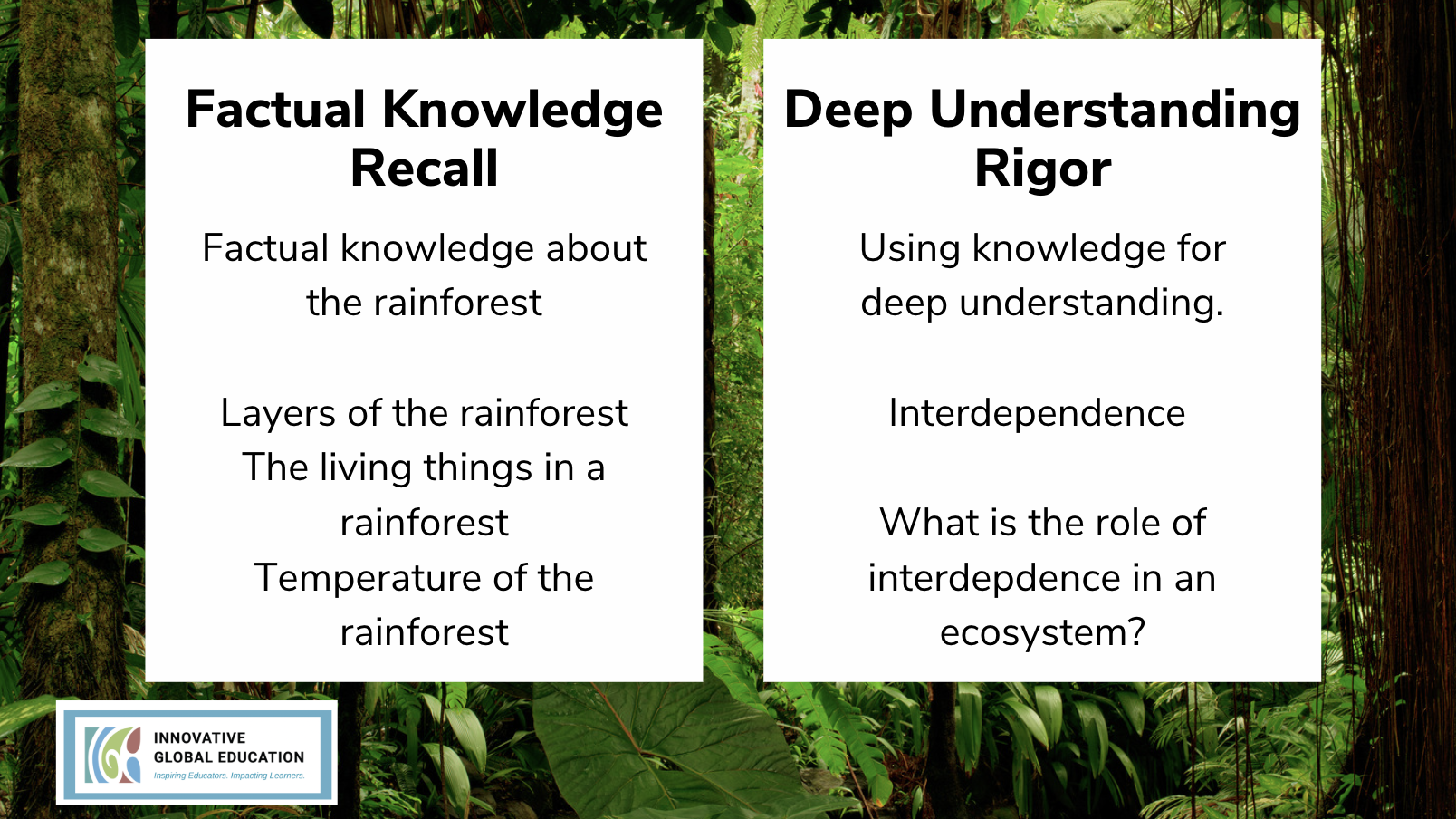
Rigor: What do we really mean? And why inquiry sits at the heart of it
Recently, I facilitated a parent session at Jakarta Intercultural School focused on a word we use often… but don’t always stop to define:
Rigor.
As I listened to parents share their thinking, I was reminded how powerful and persistent our assumptions about learning can be.
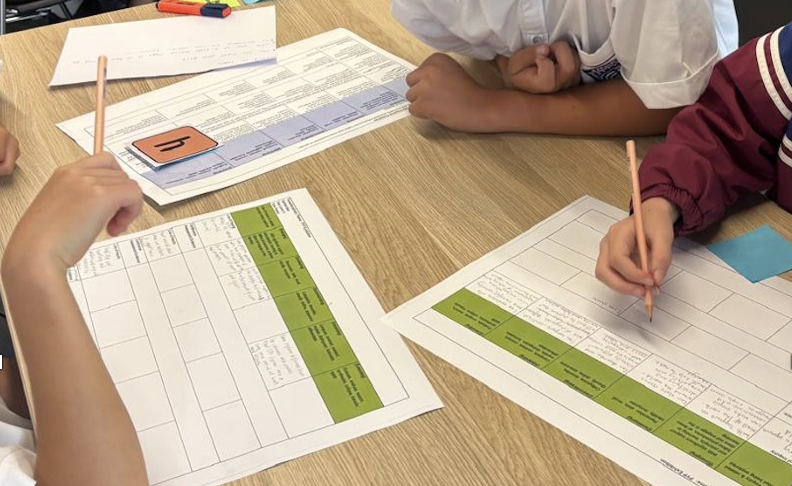
When Students Understand the Language of Learning: Moving Towards Assessment-Capable Learners
What does it really mean for students to be assessment-capable—and how often do we see it truly happening in classrooms?
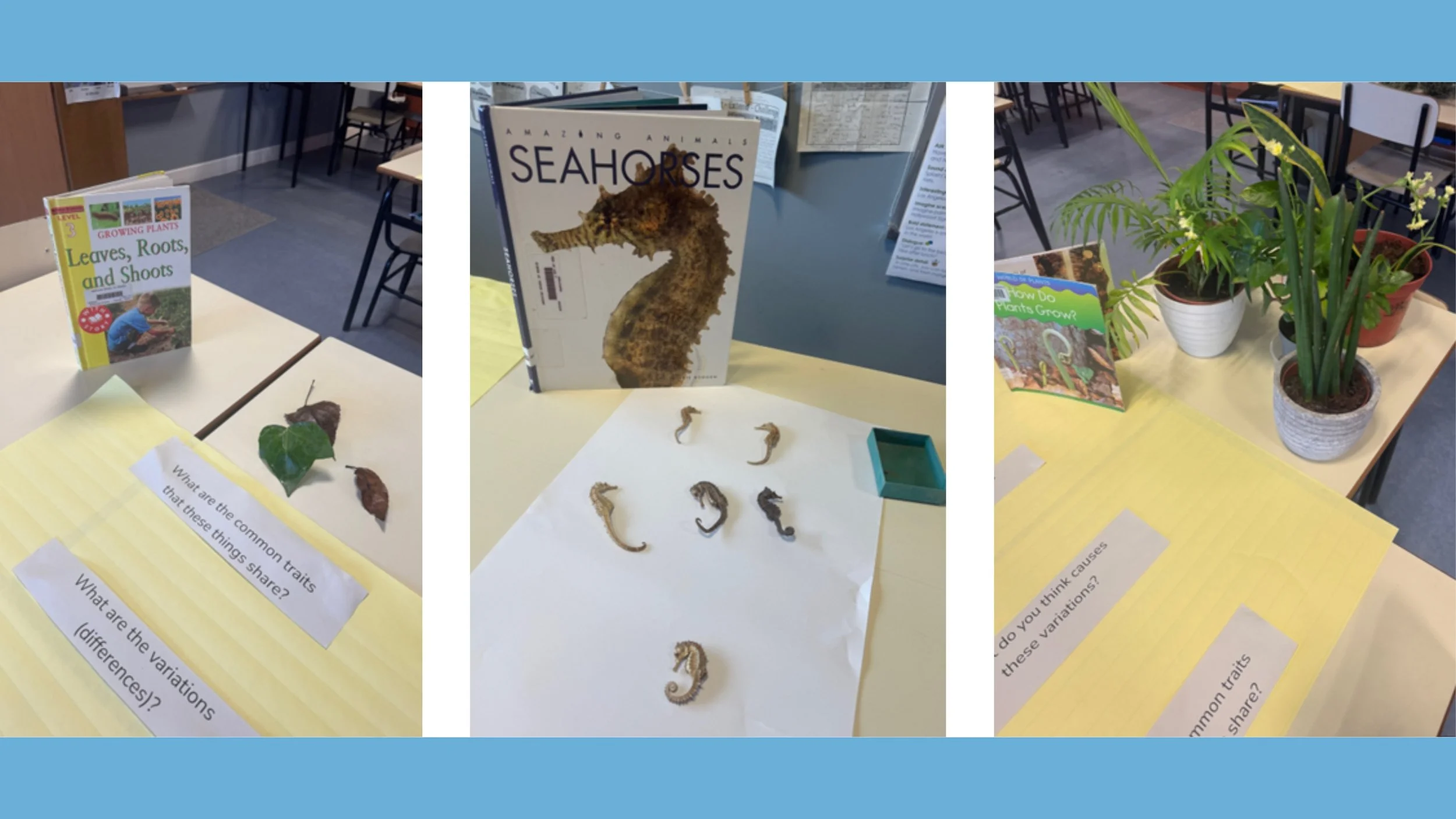
Why Real Objects Matter: Curiosity, Questioning, and Wonder as the Starting Point
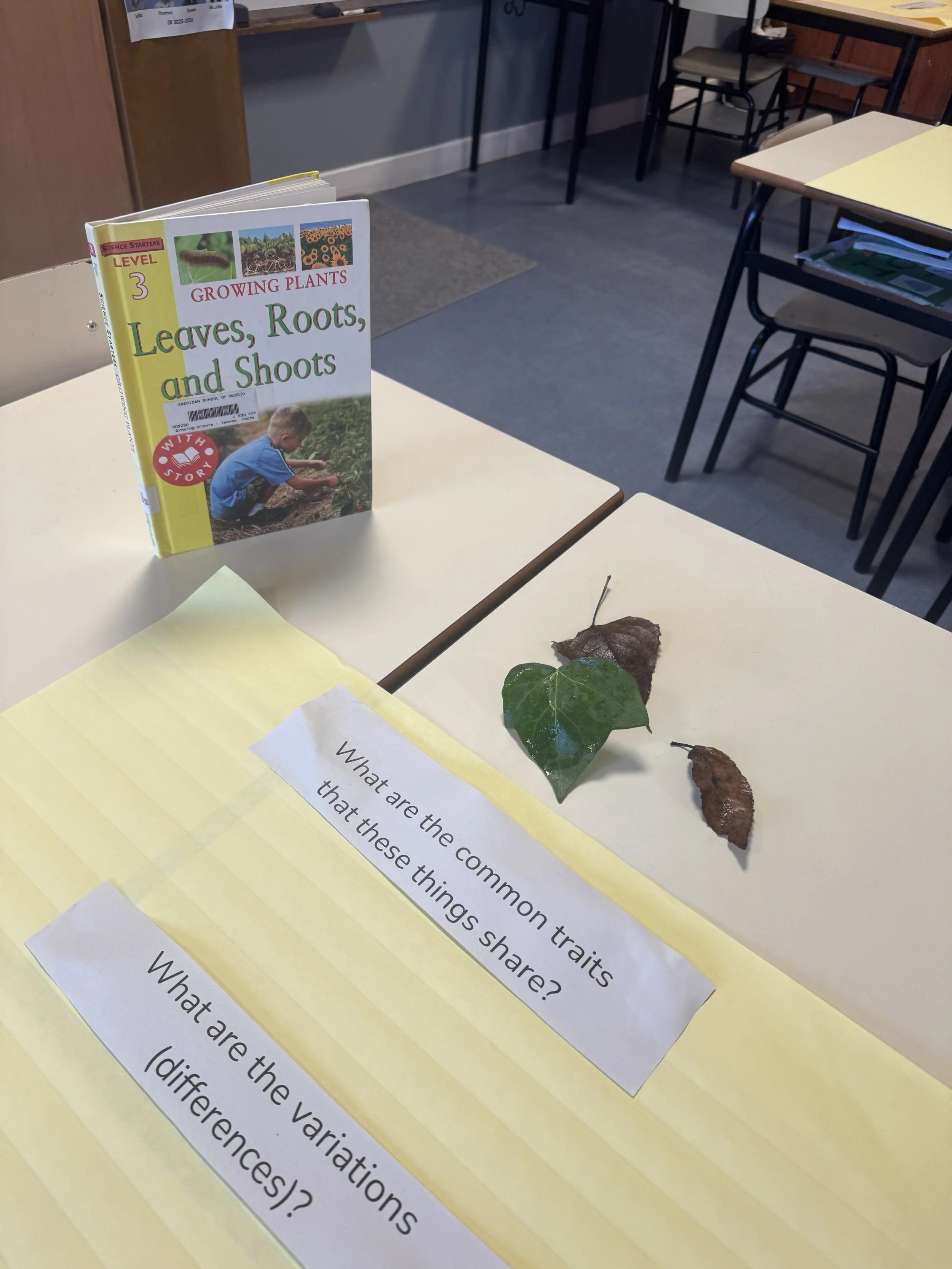
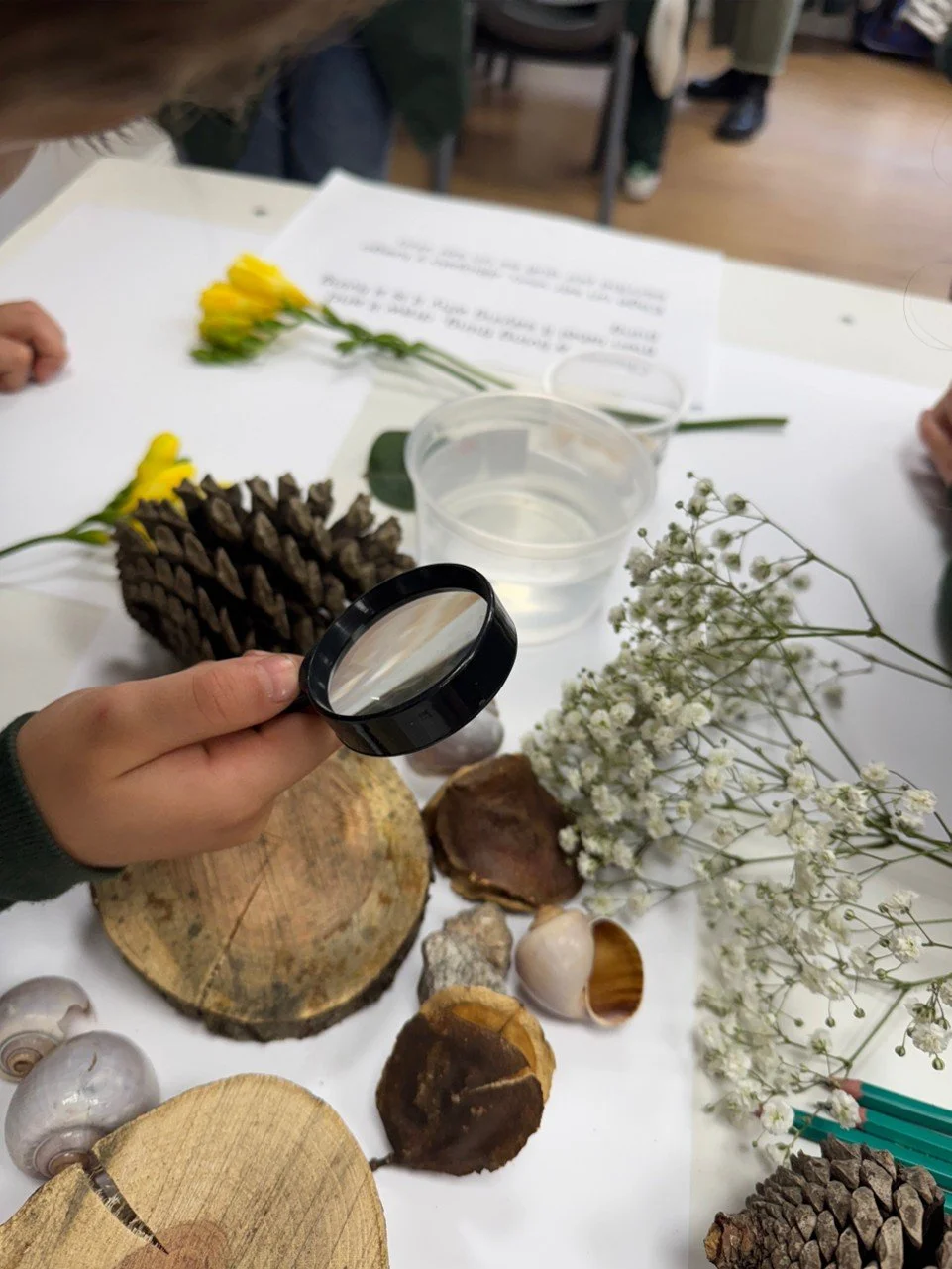
I had the pleasure of modelling inquiry at the American School of Madrid, where we examined an existing lesson and considered how it might become more inquiry focused. A central shift was the deliberate use of real objects and lived experiences. The shift took us from pictures, screens, and books to real objects that provoked curiosity.
When a Rubric and Evidence Shape the Learning
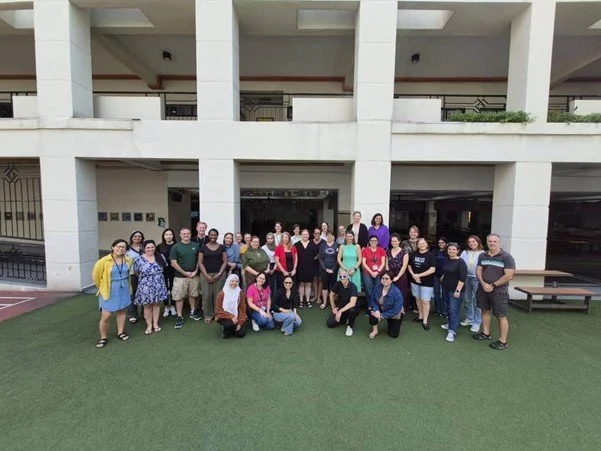
Recently, I had the privilege of working alongside teachers at the International School of Zug and Luzern, the American School of Madrid, and BBIS Berlin Brandenburg International School GmbH.
Assess to Progress: Co-constructing Understanding Through Continuous Assessment
Over two days at an EARCOS weekend workshop at Mont’Kiara International School (10–11 January 2026), I had the opportunity to work alongside teachers to explore assessment not as a moment at the end of learning, but as an ongoing process that informs teaching, learning, and next steps.
Responsive Teaching in Action: Just in Time Learning - A Reflection on Keynoting at the HKIS Literacy Institute
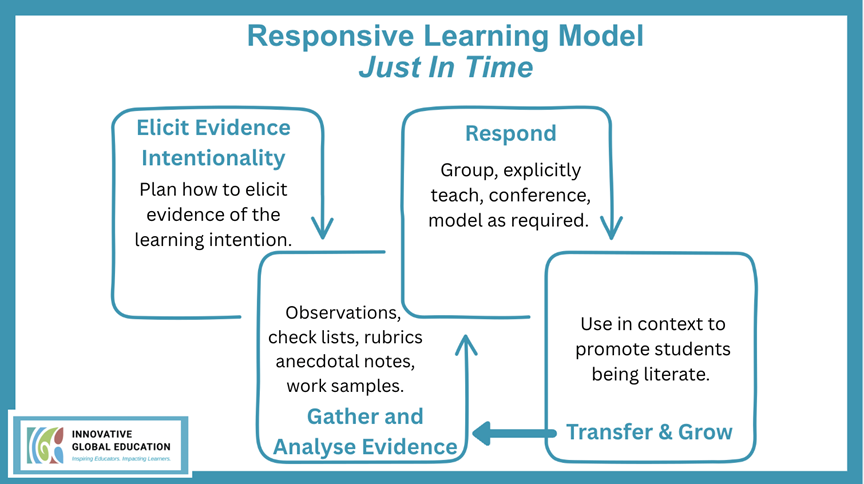
My keynote, “Literacy Learning: Just in Time—The Right Skill, at the Right Time, for the Right Learner,” centred on the message that inquiry and explicit instruction are not opposites; they are partners. When woven together through responsive teaching, they help learners become confident, independent, and deeply literate.

Conceptual Learning Experiences - The Concept Walk — Learning to See Ideas in the World Around Us
What if learning began not with a textbook, but with a walk? A Concept Walk transforms familiar spaces into places of discovery. It invites students to look closely at their surroundings and see how powerful concepts for e.g. structure, pattern, and change— exist in the world around them.

From Learning to Action: Making Transfer Real - Blog 5 of the Leveraging Deep Learning Blog Series
We often talk about "real world learning" but what does that actually look like in the classroom? In Chapter Six of Leveraging Deep Learning, we explore the powerful idea of transfer: students taking what they’ve learned in one context and applying it meaningfully in another. As Dixon and Brown (2012) state, “It is clearly not enough to change teaching strategies to promote transfer; assessment strategies must also change to acknowledge and support transfer of learning.”
Transfer is not just about using knowledge in a different subject. It’s about using understanding to engage with unfamiliar problems, take action, or design solutions. When students transfer learning, they show us what they truly understand.


What Does Understanding Look Like? Enter the Rubric - Blog 3 of the Extended Blog Series: Leveraging Deep Learning
Imagine trying to get better at something without knowing what ‘better’ looks like. That’s what learning without clear criteria can feel like. That’s where the Rubric for Understanding comes in.
A Rubric for Understanding doesn’t just assess a final product it clarifies the pathway to deeper thinking. It helps both educators and learners see what growth in understanding actually looks like. It’s developmental, not judgmental.

Rethinking Assessment: A Conversation, Not a Judgment - Blog 2 of the Extended Blog Series: Leveraging Deep Learning
For many learners (and let’s be honest many teachers too), assessment still feels like a final judgment. A grade. A score. A moment where learning is measured and closed. But what if assessment wasn’t the end of learning, but the heart of it?
In “Leveraging Deep Learning”, we define continuous assessment as a process that is embedded in the flow of teaching and learning. It is ongoing, formative, and responsive. Continuous assessment is not something you do after teaching; it's part of the teaching. It helps educators and students check in, adjust, reflect, and plan next steps together.

Why Knowing Isn’t Enough - Blog 1 of the Extended Blog Series: Leveraging Deep Learning
: This blog series is based on ideas from Andrea Muller and my latest book, Leveraging Deep Learning: Strategies and Tools for Continuous Assessment of Conceptual Understanding. Each post shares practical insights and tools designed to support educators in planning for deeper learning, involving students in the assessment process, and making understanding visible in everyday teaching. I hope these reflections help spark thinking and support you in your practice.
