
From Easily Digestible to Inquiry: Designing for Curiosity, Complexity, and Meaning
“Fill the class with the type of complexity that invites inquiry… provide children with interesting materials, seductive details and desirable difficulty… instead of materials that have been made as straightforward and digestible as possible… make sure children encounter objects, texts, environments that will draw them in and pique their curiosity.”
A Moment to Consider…
What if you were about to begin a unit on pollution.
The slides are ready.
Carefully sequenced.
Definitions outlined.
Causes and impacts clearly explained.
Everything students need to know… is there.
And then you pause.
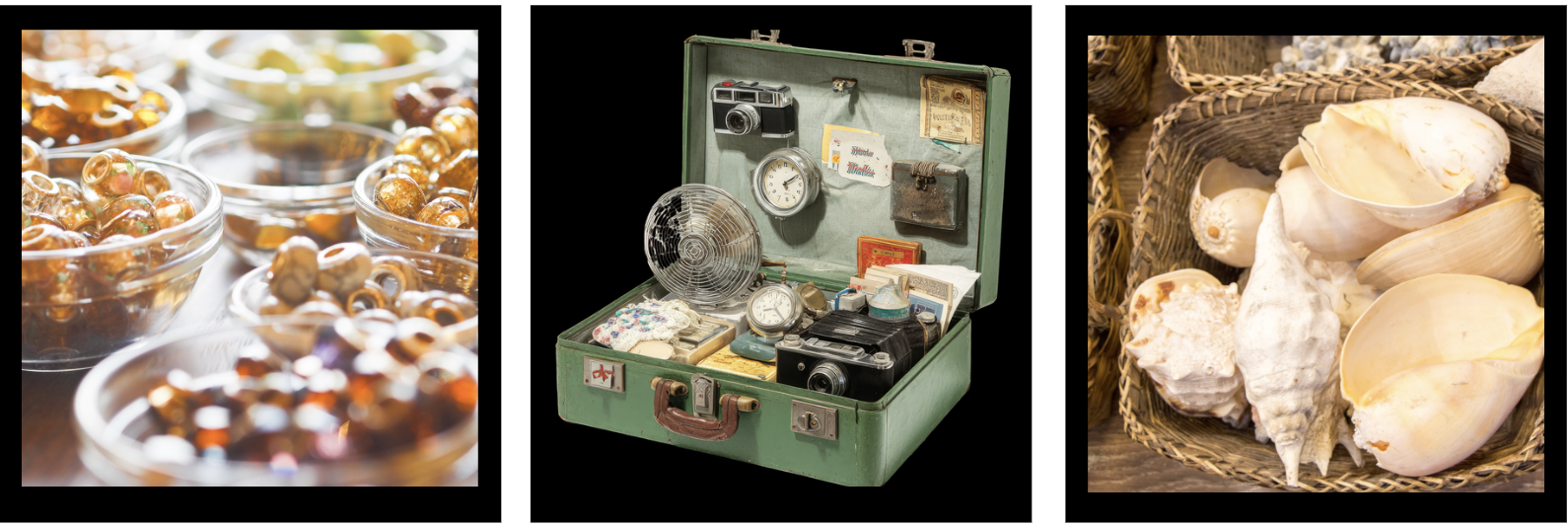
Instead of opening the presentation, you place something on the tables.
Not slides.
Not definitions.
Something real.
It might be:
Jars of cloudy water beside clean water.
A collection of discarded packaging: bottles, wrappers, fragments of plastic.
Soil mixed with pieces that don’t belong.A “mystery bag” of collected waste: bottle caps, string, small fragments of debris.
You don’t explain anything.
You don’t introduce the topic.
You prompt students with questions:
What do you notice?
Why did this happen?
Students start responding:
“That water doesn’t look safe…”
“Why is there plastic in the soil?”
“Did people cause this?”
“Is this because of human actions?”
“Are these connected somehow?”
Questions and theories begin to surface.
Students start making connections.
They begin forming ideas, tentative, evolving, sometimes incomplete.
But theirs.
And in that moment, something shifts.
Not because you have taught less…
But because you have created the conditions for students to make sense of their learning before being told about it.
Later, the slides can still come but they are based on students’ prior knowledge and misconceptions and “just in time”.
Inquiry Begins with Curiosity… Not Clarity
Inquiry begins with something that doesn’t quite make sense.
Something that draws you in.
Something you want to figure out.
As Susan Engel suggests, curiosity is sparked by complexity, by what she describes as desirable difficulty. And yet, in some classrooms, we find the opposite.
We can take rich, complex ideas … and make them easily digestible.
Clear slides.
Step-by-step explanations.
Carefully sequenced delivery.
Well-intentioned. But in simplifying the learning, we often remove the very thing that drives it: The need to think.
When Learning Becomes Something Students Consume
The shift to inquiry is not about doing more. It is about changing the starting point.
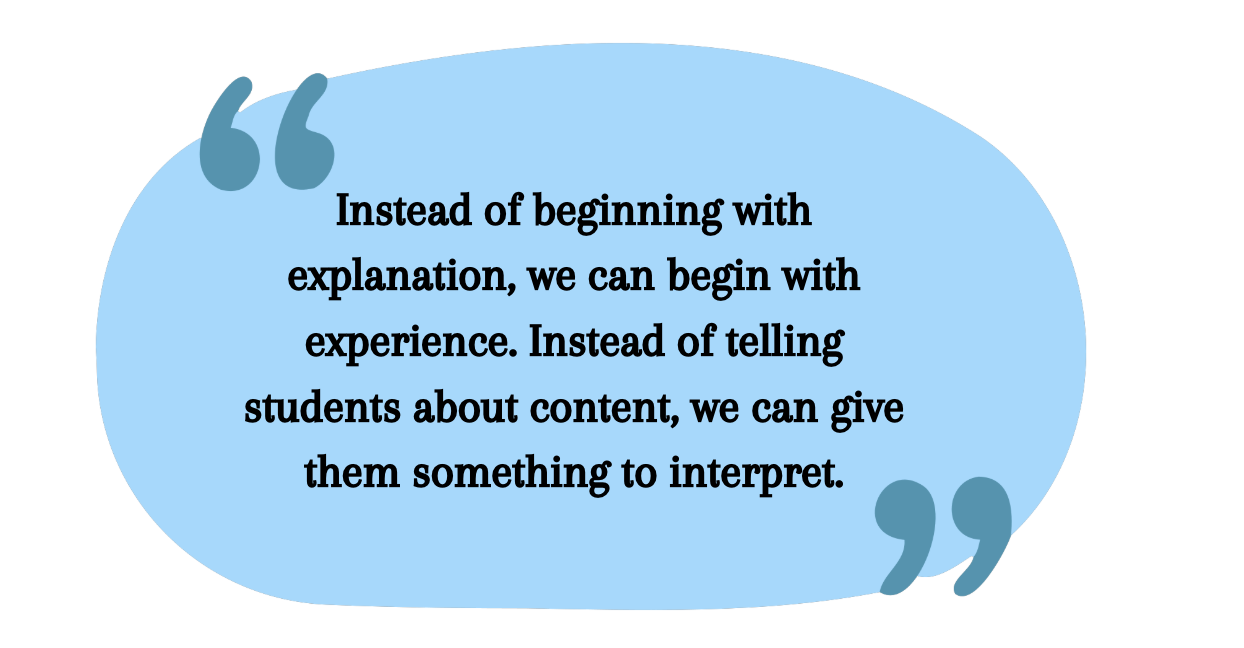
Art: Line
Easily Digestible
Students are shown different types of lines and practice them.
The Shift to Inquiry
Students explore line in various artworks:
Prompt:
What do you notice?
What lines would you like to create?
What technique do you use to create them?
Health: Wellbeing
Easily Digestible
Circle the healthy foods and put a cross through the non-healthy foods
The Shift to Inquiry
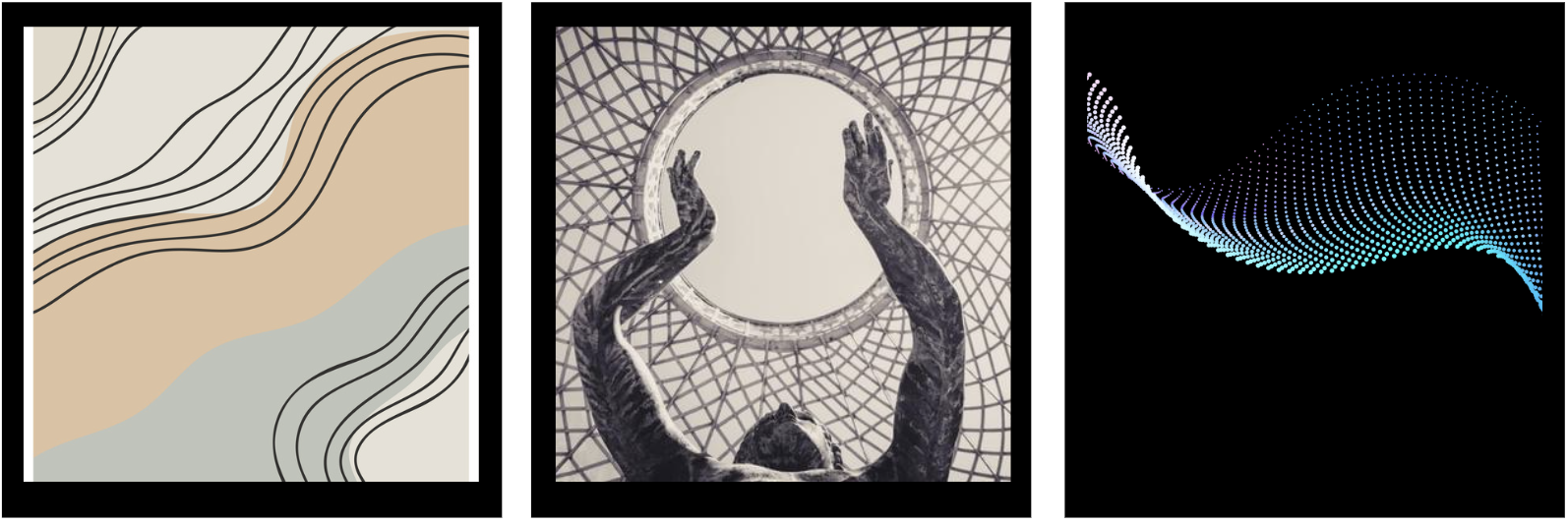
Students analyse different bags that are artefacts connected to wellbeing.
Different bags with objects in them, food, diary, sports equipment
Prompt:
How healthy do you think this person is?
What contributes to their wellbeing? What does not contribute to their wellbeing? Why?
Economics: Productions Costs
Easily Digestible
Teacher provides students with a list of all the costs involved in making a product.
The Shift to Inquiry
Images, objects and statements around the room connected to the cost of making a product.
Images of transport
Prompt:
What is their role in production?
Images or items of different spaces, electricity bills, cost of equipment, specialized equipment.
Prompt:
Why are these important in production?
Videos of people working in different places
Prompt:
What is their role in the production of goods?
Food
Food from the local market and from the supermarket with prices on them
Prompt:
Why are the same food different prices?
Final Prompt:
What contributes to the cost of the production of goods?
Science: Living Things
Easily Digestible
Slide deck of living and non-living things. Teacher explains which things are living and why.
The Shift to Inquiry
Local Community Walk (school or beyond)
Take photos or draw what living things you see
Prompt:
How do you know they are living?

Social Studies: Migration
Easily Digestible
Students read a case story about migration and answer comprehension questions.
The Shift to Inquiry
Human Library: Migration
Members of the community who have migrated from different countries are invited into the classroom. Each person represents a “living book” with a unique story.
Students work in small groups to “borrow” a person for a set amount of time. During this time, they interview them about their migration story.
Final Prompt:
Why do people migrate?
What is the impact of migration on people?
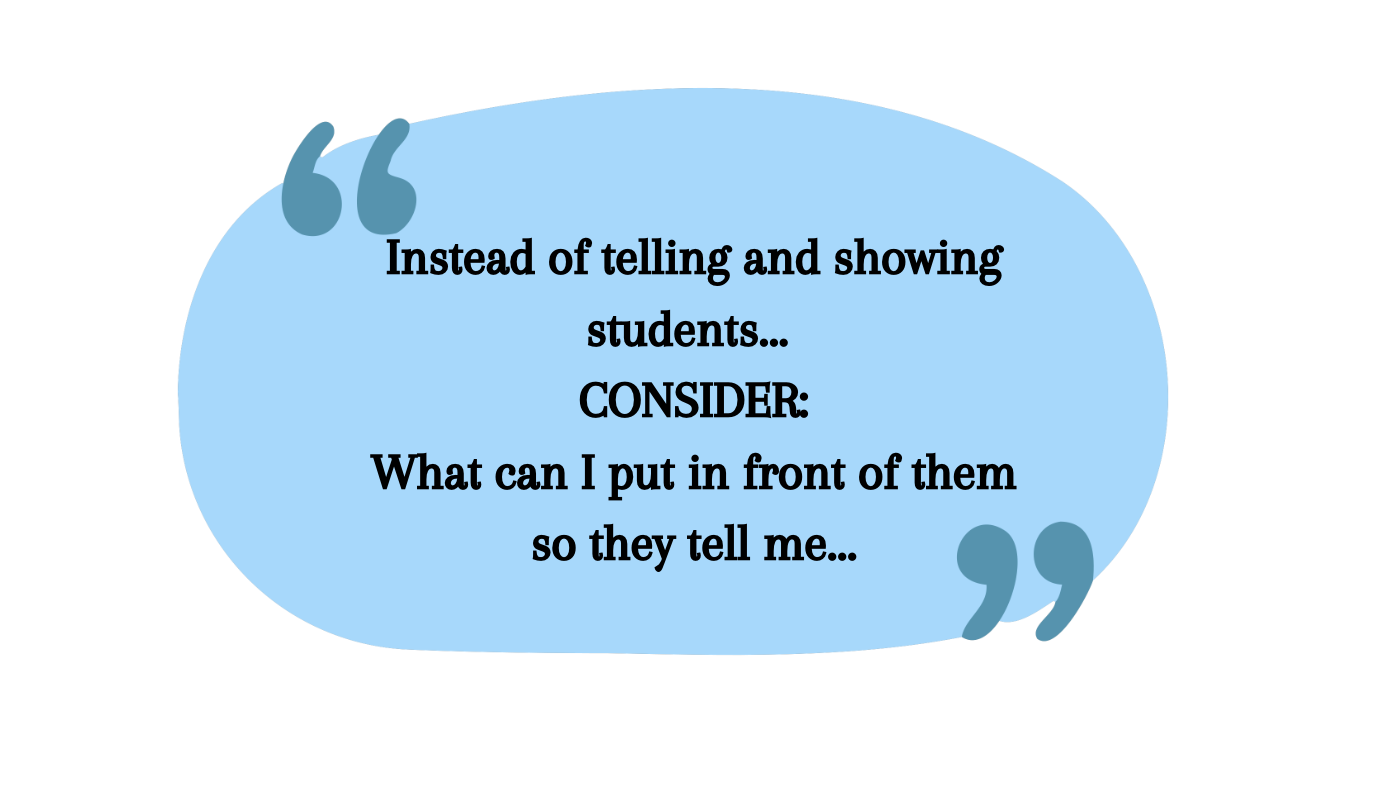
The content has not changed. The cognitive demand has.
Curiosity and thinking become the driver:
What do you notice?
What might be happening here?
What patterns are emerging?
What do you think and why?
And from these questions, understanding begins to emerge.
Inquiry Is Not Easily Digestible and That’s the Point
Inquiry is not messy for the sake of it. It is cognitively demanding.
It asks students to:
Notice
Interpret
Question
Predict
Critically Think
Connect
Revise their thinking
This kind of learning develops the ability to think flexibly, persist, and make sense of complexity. These capabilities are not developed through simplified instruction. They are developed through engagement with complexity.
But What About Explicit Instruction?
Inquiry does not mean the absence of explicit teaching. It means being intentional about when and why we use it.
In traditional models, explicit instruction is often:
Front-loaded
Predetermined
Delivered before students engage
In inquiry, explicit instruction is:
Timely
Responsive
Based on student need
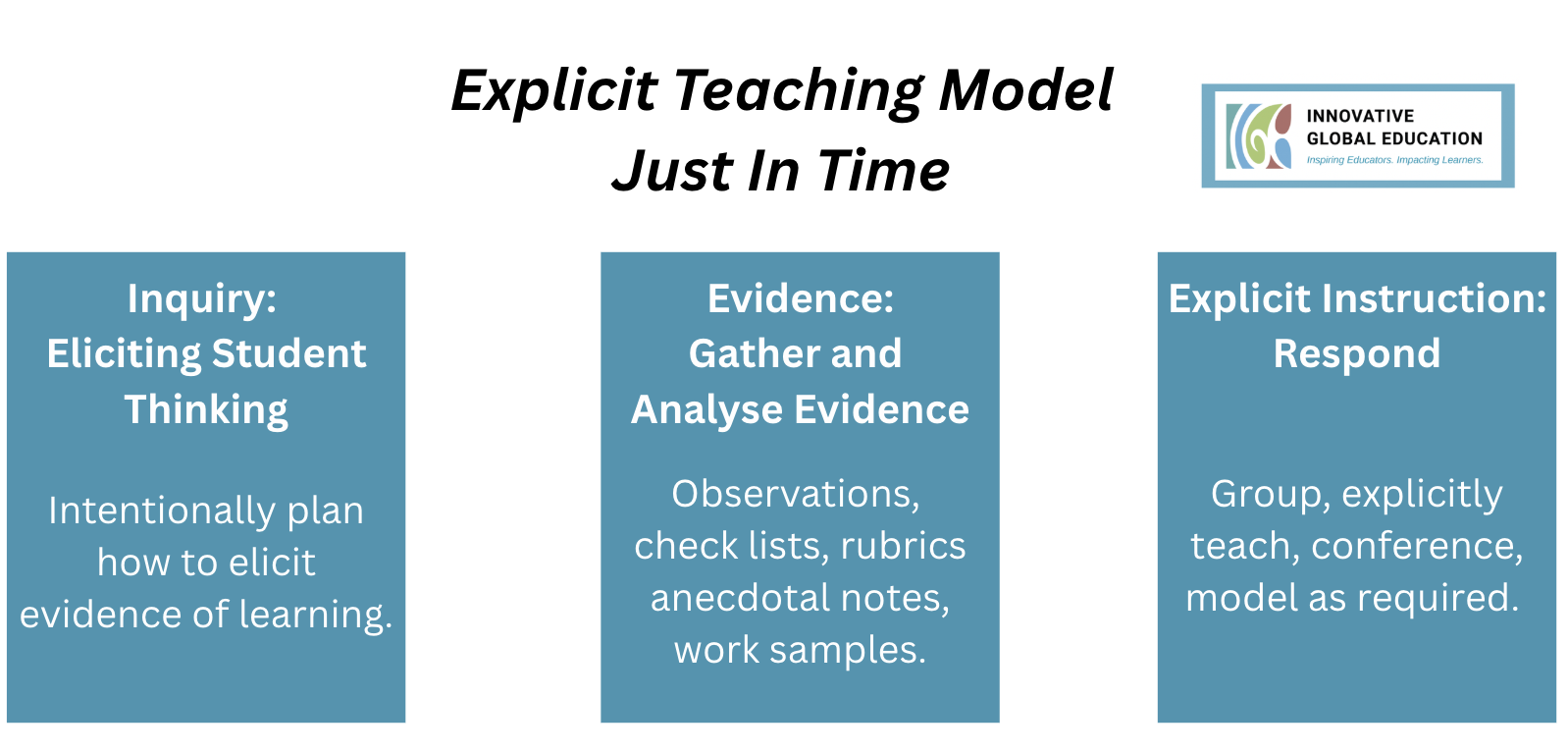
As students explore and represent their learning, teachers gather evidence of current understanding, misconceptions, and questions. This is where explicit teaching becomes powerful.
As Kath Murdoch explains, “Inquiry learning is not about abrogating our responsibility as educators. The pedagogy is primarily about careful listening, observing, noticing, questioning and scaffolding but it can also include strategic explaining, modelling, demonstrating — used at the point of need.”
Not always at the beginning… But at the point of need.
The Real Shift
This is not about making learning harder. It is about making learning worth thinking about.
Easily Digestible → Inquiry
Information given → Meaning constructed
Explanation first → Encounter first
Compliance → Agency
Knowing → Learning
A Planning Lens
If you are planning for inquiry, consider:
What will spark curiosity?
What will students encounter first?
What will they need to figure out?
When will explicit teaching be most useful?
The question shifts from:
What will I teach?
To:
What will students need to experience to build understanding?
Final Thought
Inquiry invites students to:
Wonder
Connect
Make meaning
And in doing so, it develops curiosity.
If students are doing the thinking, they are doing the learning.
“Education should help children become more curious, more creative, and more confident.” ”
References:
Engel, S. (2021). The hungry mind: The origins of curiosity in childhood. Harvard University Press.
Murdoch, K. (2021, April 6). Curiosity, courage and the field beyond. Kath Murdoch. https://www.kathmurdoch.com.au/blog/2021/4/6/curiosity-courage-and-the-field-beyond
Zhao, Y. (2012). World Class Learners: Educating Creative and Entrepreneurial Students. Corwin.
Further Reading & Professional Learning
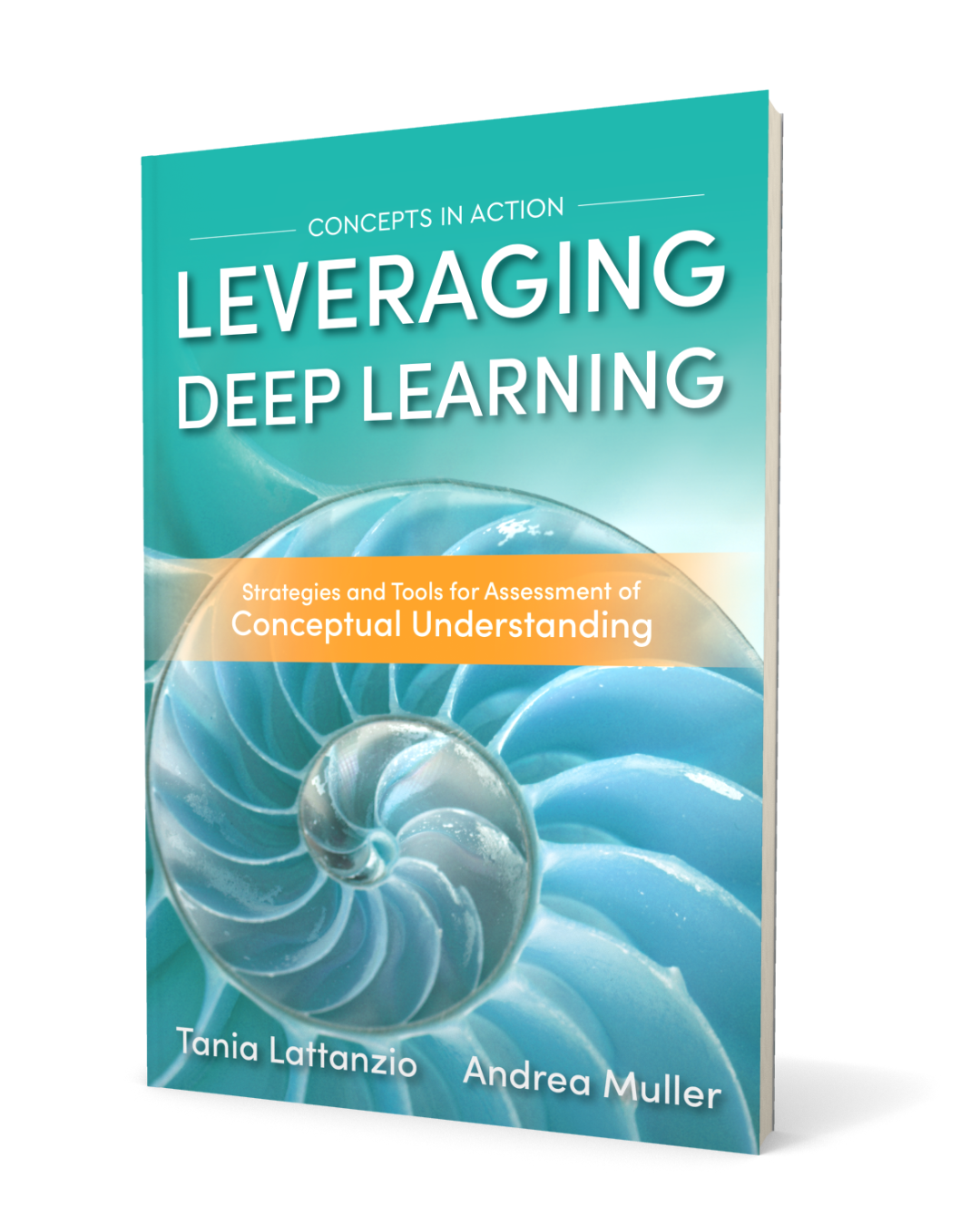
If you found this conversation around curiosity, inquiry, and conceptual understanding helpful, I highly recommend exploring our book:
Leveraging Deep Learning: Strategies and Tools for Assessment of Conceptual Understanding - A thoughtful resource for educators looking to move beyond surface-level engagement and design learning experiences that foster deeper thinking, transfer, and meaning-making.
You can also explore more articles, latest workshops, consulting services, and professional learning opportunities through Innovative Global Education:
Visit our website: https://www.innovativeglobaled.org
Get in touch: info@innovativeglobaled.org
Subscribe to our newsletter to stay connected with future reflections and resources on inquiry, learning design, student agency, and more.