
Why Real Objects Matter: Curiosity, Questioning, and Wonder as the Starting Point
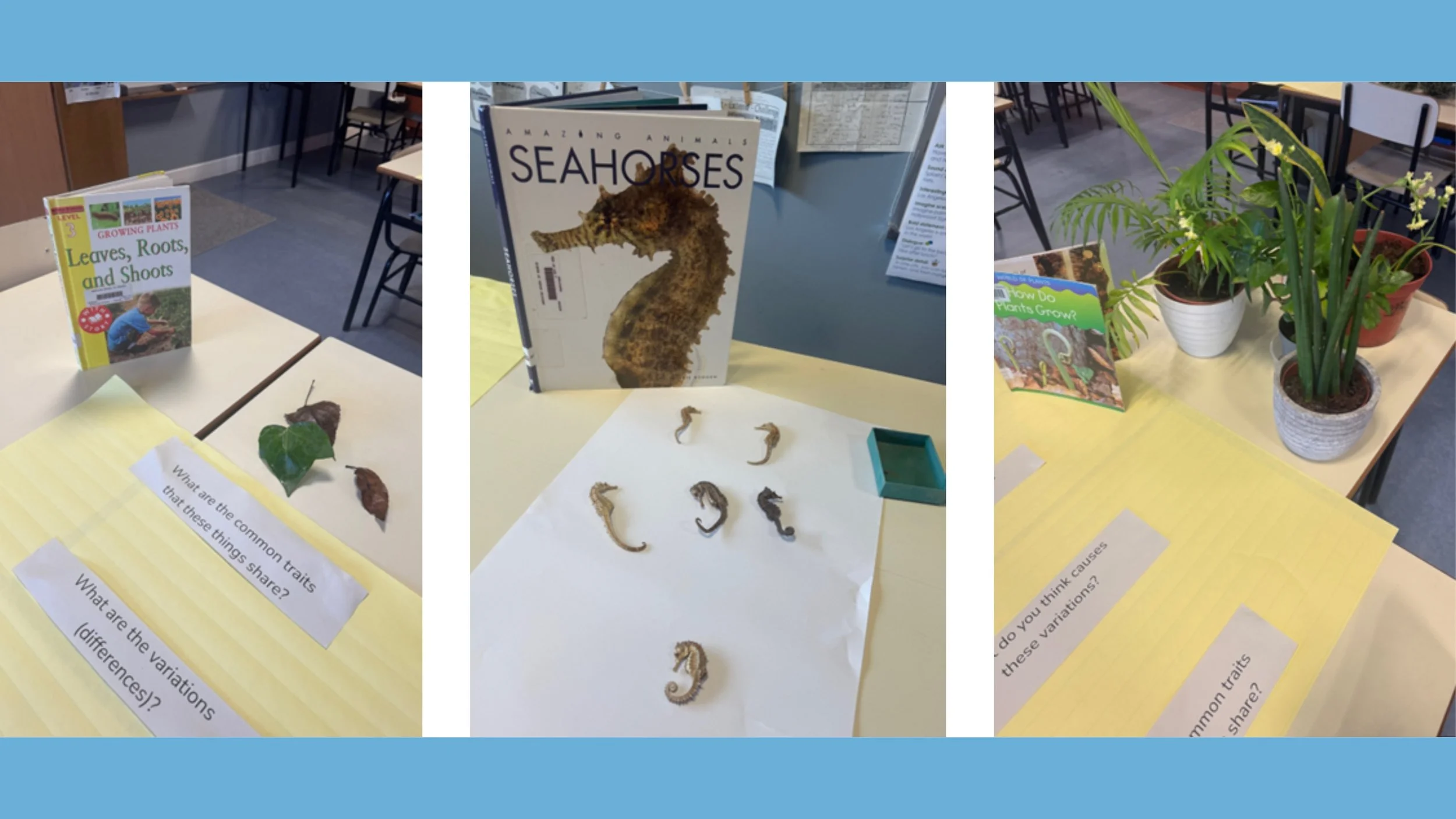
I had the pleasure of modelling inquiry at the American School of Madrid, where we examined an existing lesson and considered how it might become more inquiry focused. A central shift was the deliberate use of real objects and lived experiences. The shift took us from pictures, screens, and books to real objects that provoked curiosity.
There is something profoundly different about placing real objects in front of students.
Not images on a screen.
Not simplified diagrams.
But objects that are textured, imperfect, unfamiliar, and open to interpretation.
When learning begins this way, curiosity does not need to be engineered. It emerges naturally. Real objects slow learners down. They invite close observation, comparison, questioning, and wonder. They shift learning away from compliance and towards sense-making.
This is where inquiry moves from strategy to authenticity.
Grade 3: Making Traits and Variation Visible
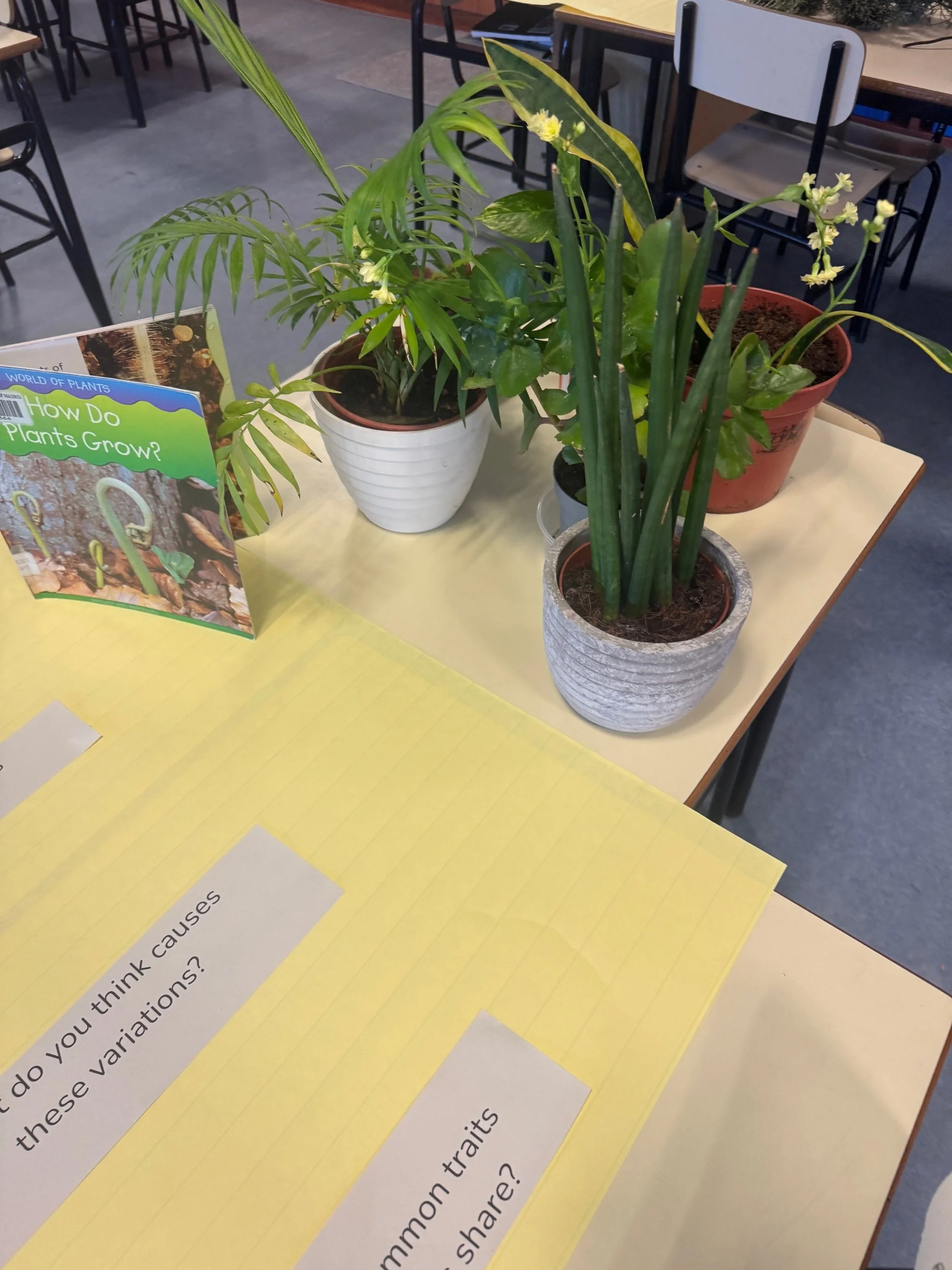
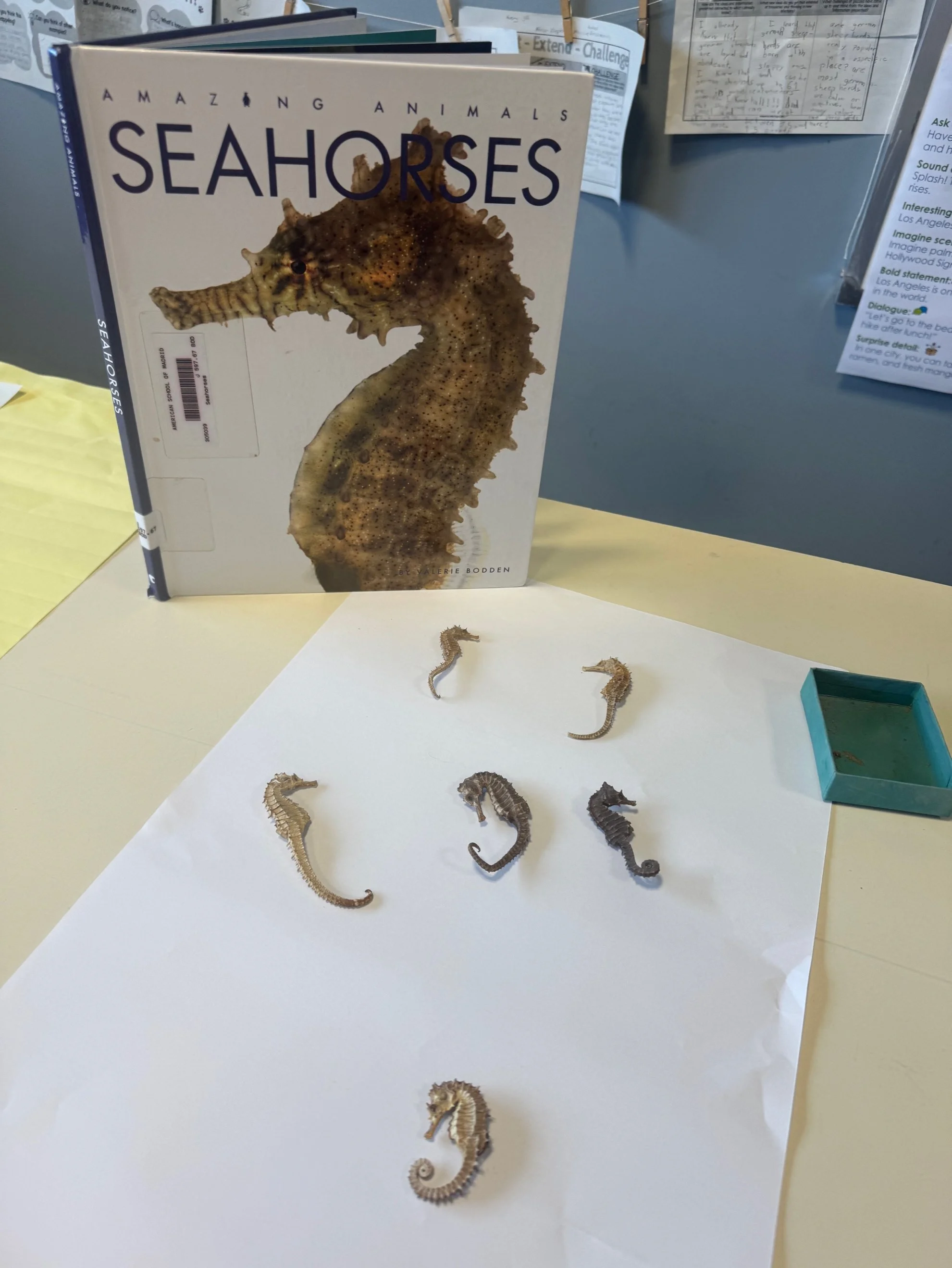
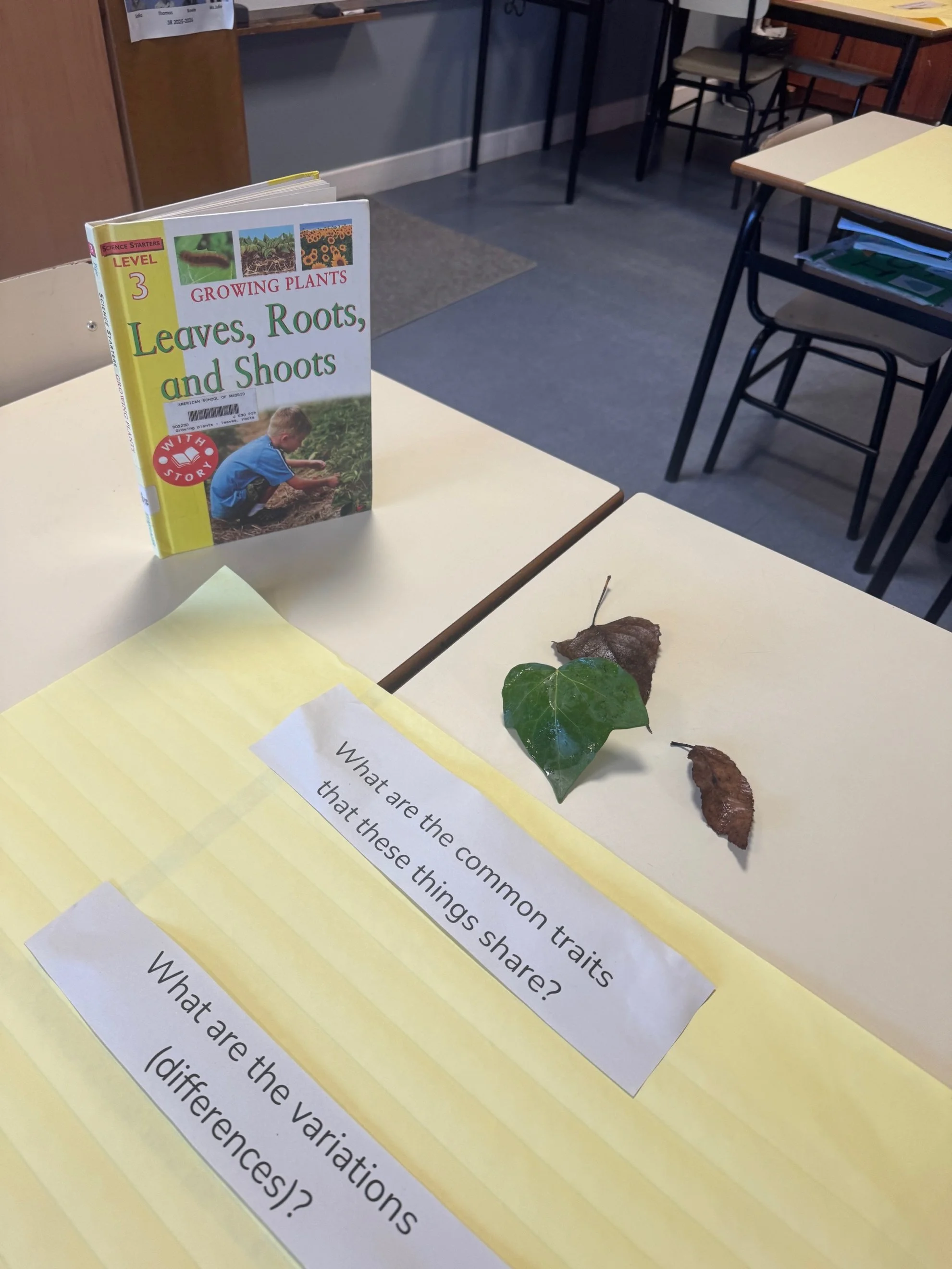
In Grade 3 at American School of Madrid, students were exploring traits and variation. Rather than beginning with definitions or pre-labelled examples, the learning started with real materials placed directly on the tables.
Leaves of different shapes, sizes, textures, and colours.
Shells with shared features and striking differences.
Seahorses as skeletons.
Insects preserved in resin.
Students were invited to engage with simple, open prompts:
What traits do these things have in common?
What variations do you notice?
What do you think might have caused these differences?
The response was immediate. Students leaned in, touched, turned, compared, grouped, and re-grouped. Conversations emerged organically as they justified their thinking and challenged one another’s ideas.
Because the objects were real, variation was no longer an abstract idea—it was visible and undeniable. Noticing came before naming. Vocabulary followed understanding, rather than preceding it. Scientific language, when introduced, had something concrete to attach to.
Students were not being told that variation exists; they were discovering it for themselves.
Grade 4: Learning About Erosion and Weathering Like Scientists
The same commitment to authenticity shaped learning in Grade 4, where students were investigating erosion and weathering.
Instead of starting inside with explanations or images, learning began outdoors. Students went into the environment to look for evidence, just as scientists do.
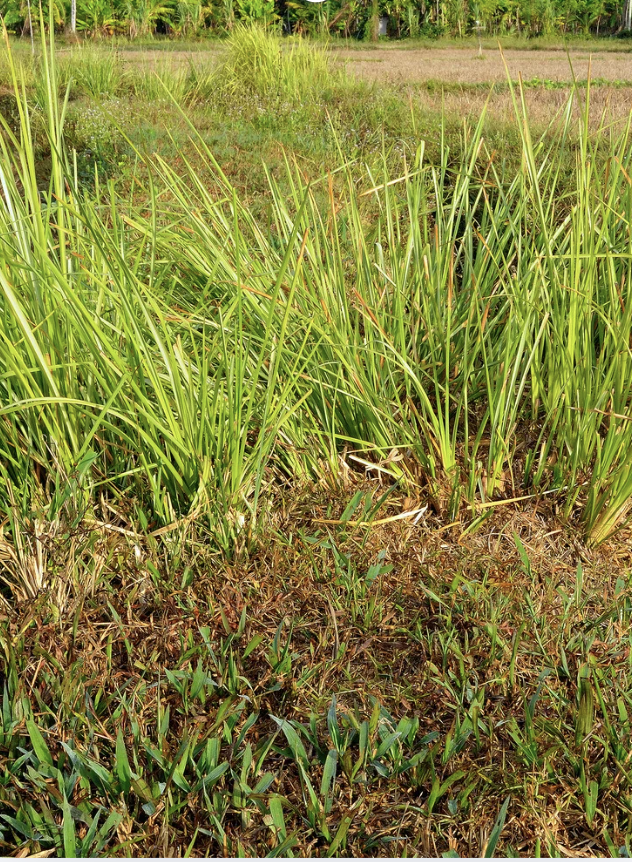
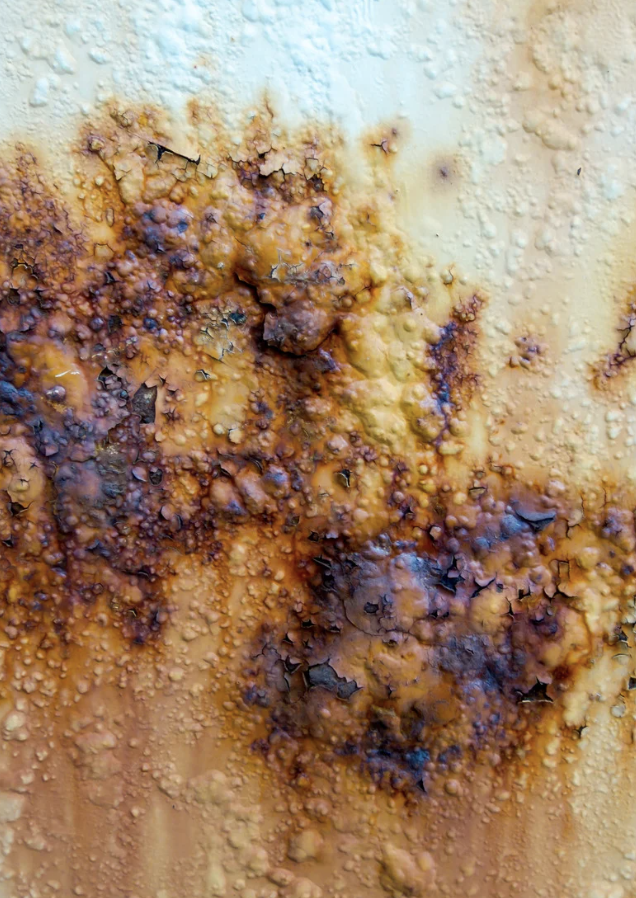
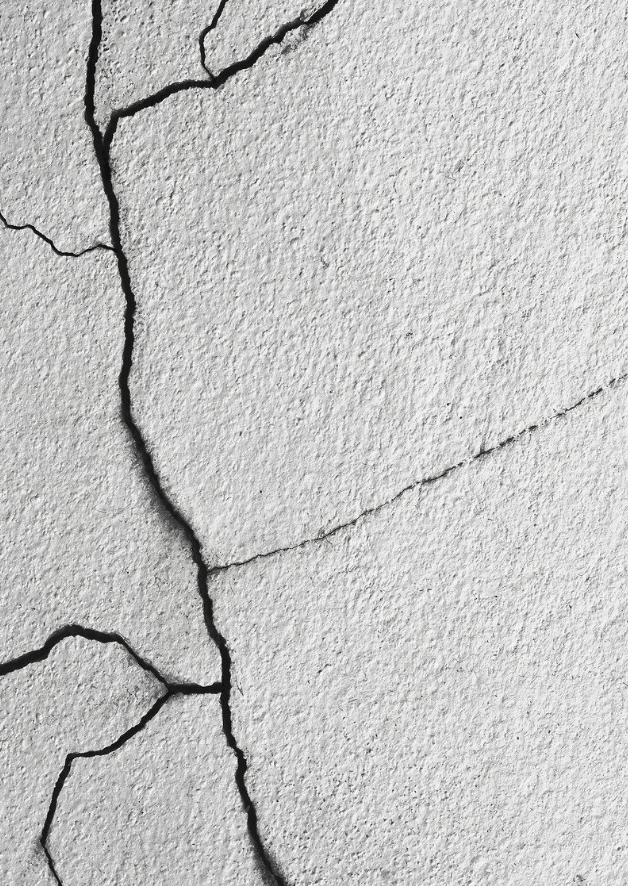
They observed worn surfaces, cracks, exposed roots, and changes caused by water and wind. They recorded what they noticed, compared examples, discussed patterns, and began forming explanations based on what they could see.
Only after this experience did scientific terminology enter the learning.
Erosion and weathering were no longer distant processes described in books. They were phenomena students had encountered directly. The concepts made sense because they were grounded in lived experience and evidence.
Grade 1: Objects From the Past as Provocations for Inquiry
This approach is just as powerful with younger learners.
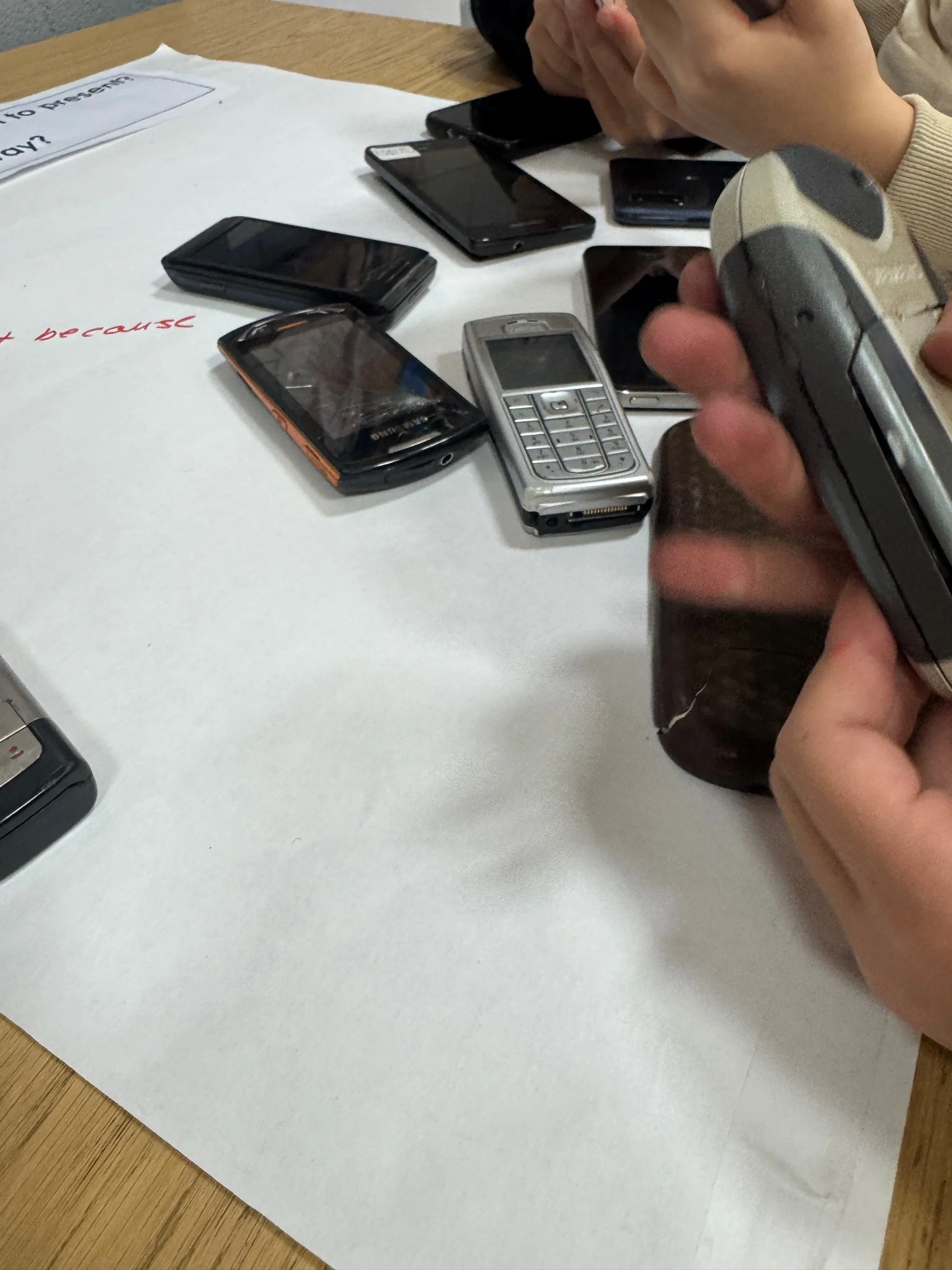
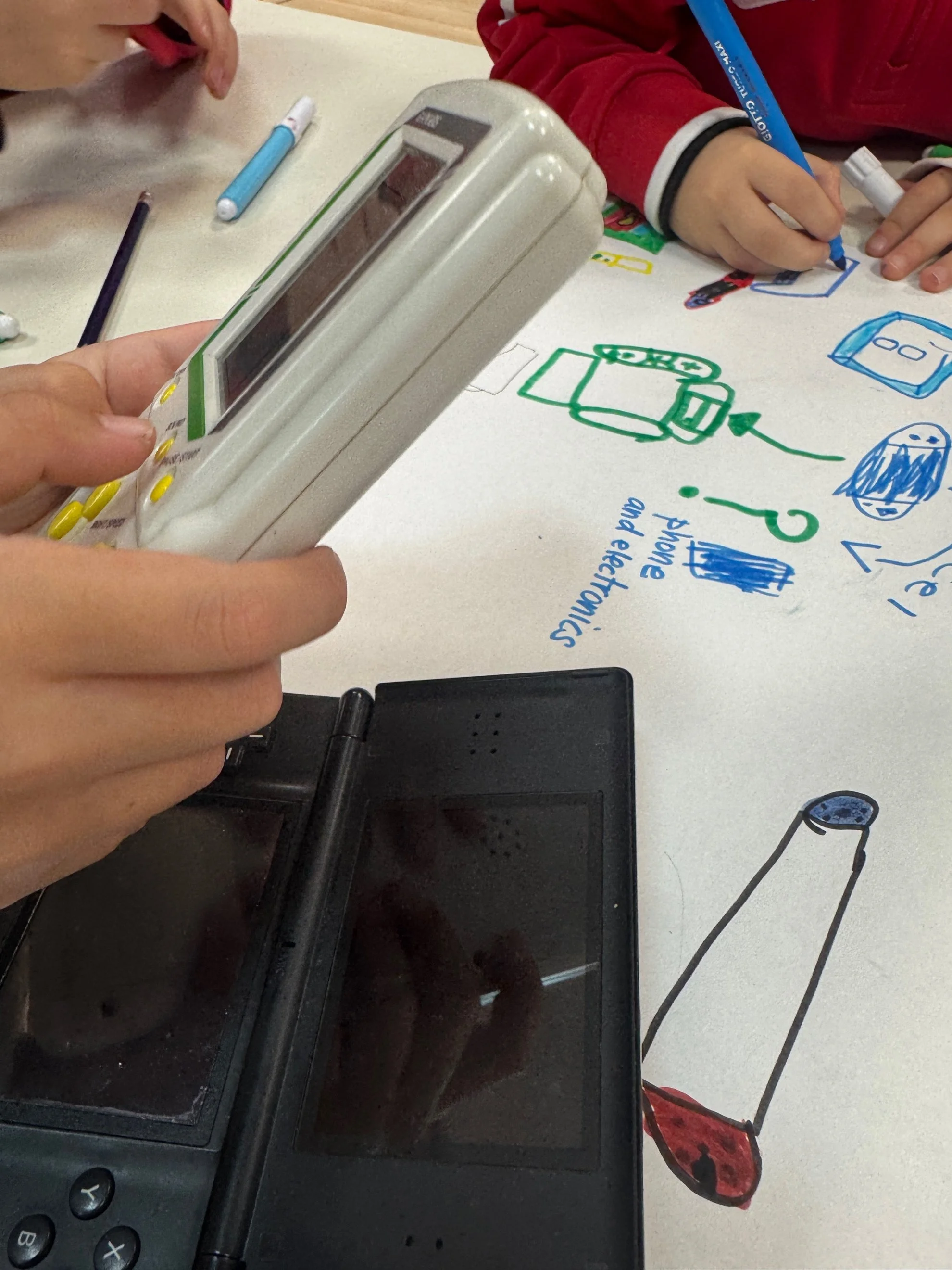
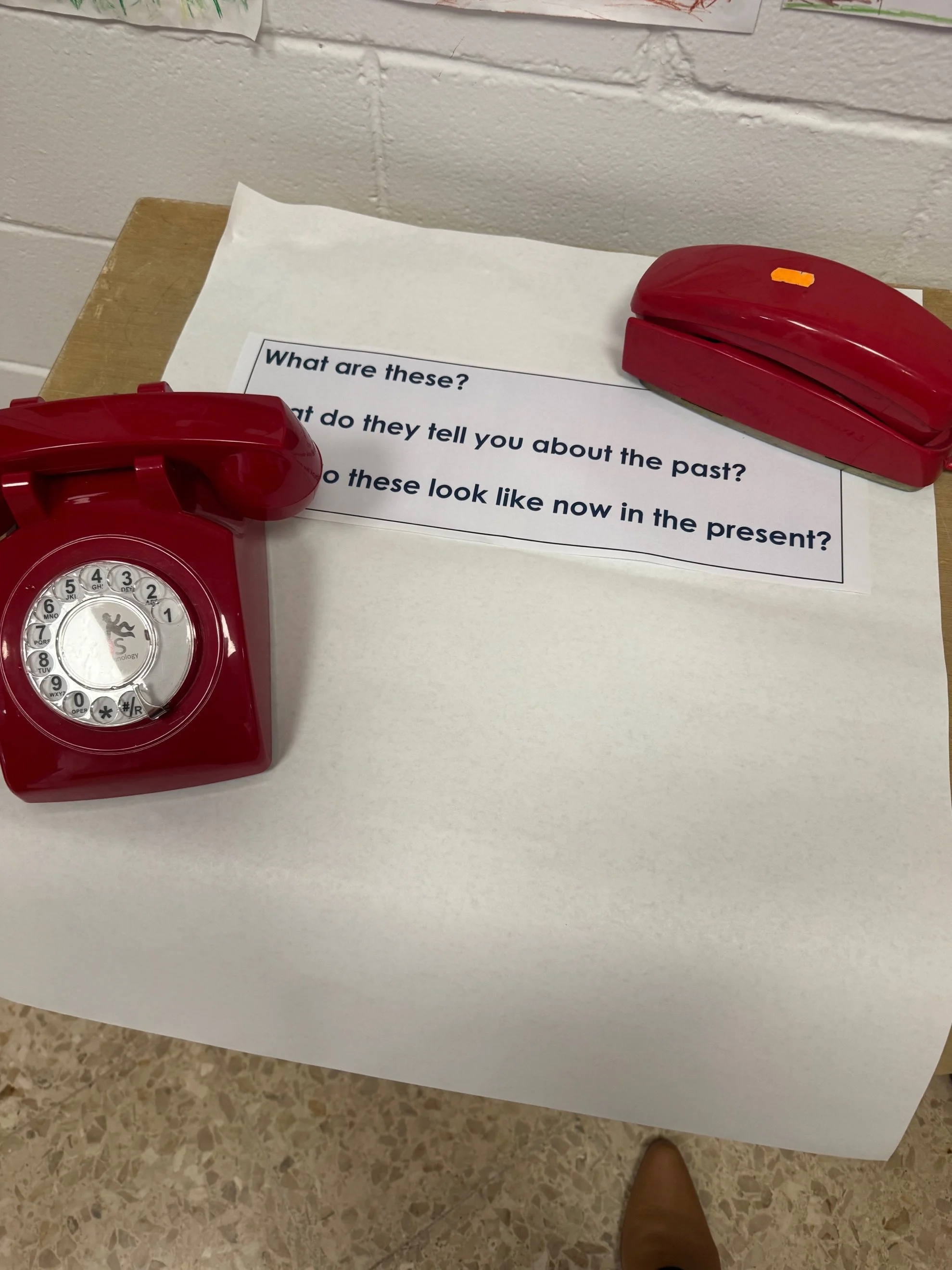
In Grade 1, students explored objects from the past—real artefacts that many had never seen before. These objects immediately provoked questions:
What is this?
Who might have used it?
Why does it look like this?
How is it different from what we use today?
Without heavy explanation, students began making connections between form and function, past and present, continuity and change. The unfamiliarity of the objects was not a barrier; it was the invitation.
Once again, real objects created the conditions for curiosity, conversation, and deep thinking.
Why This Matters
This is what powerful learning can look like.
When real objects and real environments are the starting point:
· Curiosity leads the learning.
· Questioning feels purposeful.
· Wonder is protected.
· Understanding grows from evidence.
This approach honours students as thinkers. It communicates that learning is not about receiving information, but about making sense of the world.
Whether students are exploring traits and variation, erosion and weathering, or artefacts from the past, real objects ground learning in authenticity. They remind us that some of the most powerful learning experiences do not begin with answers. They begin with something tangible.
They begin with noticing, questioning, and wonder.
Abstraction makes sense only after experience.
If this reflection resonates with your practice, I always welcome professional conversation.
You can reach me at tania@innovativeglobaled.org