
Conceptual Learning Experiences - The Concept Walk — Learning to See Ideas in the World Around Us
Author: Andrea Muller | 10th November, 2025
Conceptual Learning Experiences invite students to explore how concepts connect to the world around them. Each experience sparks curiosity, deepens understanding, and encourages learners to see learning as something living, personal, and meaningful. Whether through movement, dialogue, or creativity, these experiences help students think conceptually — discovering patterns, relationships, and truths that stretch across subjects and life itself.
This Concept Walk is one of 23 rich Conceptual Learning Experiences featured in the downloadable publication by Tania Lattanzio and Andrea Mūller.
Each experience is designed to help learners make personal and meaningful connections with key concepts, encouraging curiosity, collaboration, and deep thinking. Together, they offer practical ways for educators to launch units, build conceptual understanding, and inspire students to see learning as something active and alive.
The publication provides a collection of adaptable experiences that can be used across age groups and subjects — all centred on helping students engage with concepts that shape our world.
The Concept Walk — Learning to See Ideas in the World Around Us
What if learning began not with a textbook, but with a walk? A Concept Walk transforms familiar spaces into places of discovery. It invites students to look closely at their surroundings and see how powerful concepts for e.g. structure, pattern, and change— exist in the world around them.
How it Works:
1. Introduce the Concepts: Teachers begin by exploring the concepts of the upcoming unit — such as structure, pattern, and change. These serve as lenses for observation and thinking.
2. Go Walking with Purpose: Students take a concept walk in small groups, equipped with a camera or tablet. They capture images that symbolise or represent one of the key concepts.
Structure
Structure gives shape, strength, and stability to everything around us. During a Concept Walk, learners explore how natural and human-made systems are designed and held together.

In nature, tree trunks, spider webs, honeycombs, shells, or coral — nature’s architecture.
Valencia, Spain | Photo: Tania Lattanzio
In buildings, bridges, towers, staircases, beams, or scaffolding showing design and support
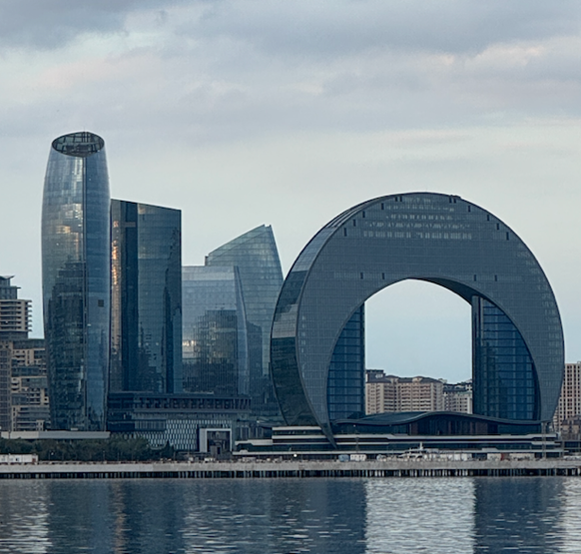
In buildings, bridges, towers, staircases, beams, or scaffolding showing design and support.
Baku | Photo: Tania Lattanzio
Think about how you can capture structure through your own lens — in nature, design, and everyday life. What story does your image tell about how structure shapes our world?
Pattern
Pattern is all around us — in nature, art, architecture, and even behaviour. During a Concept Walk, learners look for repeating forms, rhythms, and sequences that create beauty, order, or meaning.
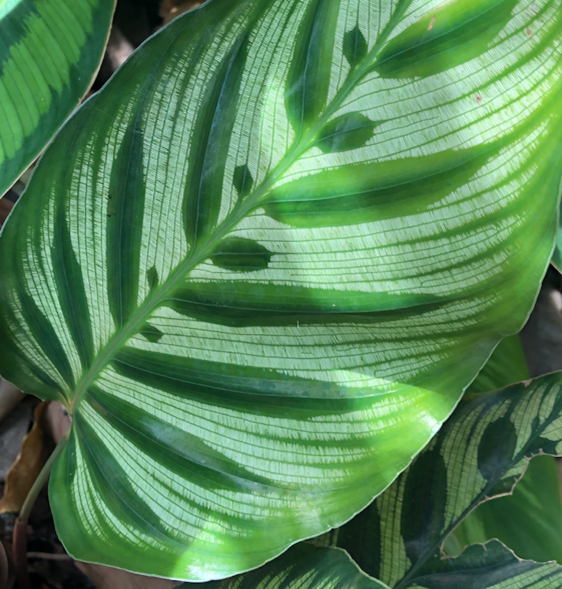
In nature, leaf veins, honeycombs, animal markings, flower petals, or waves on sand and water.
Singapore: Botanic Gardens
Photo: Tania Lattanzio

In art and design, mosaics, woven fabrics, wallpaper, or geometric arrangements.
Museum of Islamic Art: Doha
Phot: Tania Lattanzio
Think about how you can capture pattern through your own lens — in nature, design, and everyday life. What story does your image tell about how pattern shapes our world?
Change
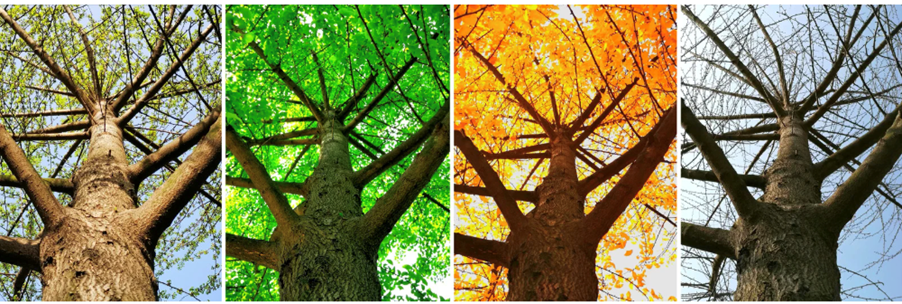
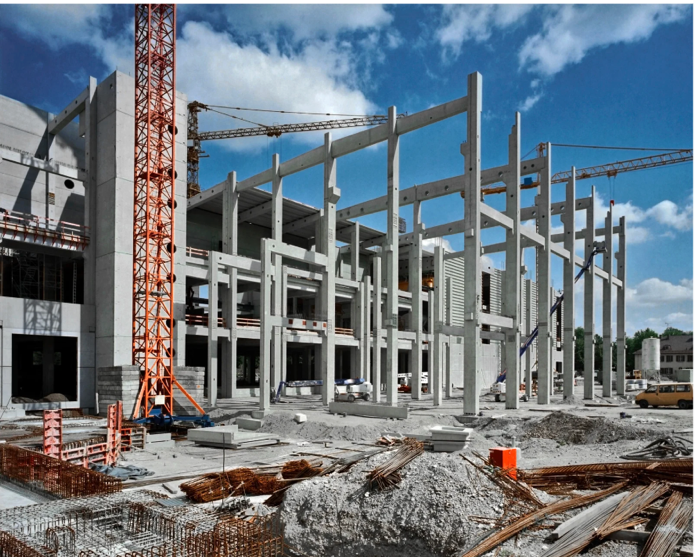
Change is all around us — in nature, people, and the spaces we build. During a Concept Walk, learners can observe how transformation happens through time, growth, movement, and renewal.
In nature, leaves changing colour, new buds forming, shadows shifting with the sun.
In the built environment, construction sites, new buildings rising, weathered walls, or painted murals in progress.
Think about how you can capture change through your own lens — growth, decay, movement, emotion, or time. What story does your image tell about transformation in the world around you?
Share and Reflect
Back in the learning space, students share their findings and discuss:
• How does each image represent the concept?
• What connects these images together?
• What new understandings are emerging through this exploration?
Through these conversations, students begin building conceptual understanding collaboratively and visually.
Why This Experience Matters
A Concept Walk is not just an outdoor activity — it’s a mindset for deep learning.
• It builds personal connection. Students see that abstract ideas like change or interdependence are not just words — they shape daily life.
• It values diverse perspectives. Each student notices something unique, showing that understanding grows through many viewpoints.
• It strengthens agency and voice. Students choose what to capture and explain, taking ownership of their thinking.
• It fosters collaboration. Groups co-construct meaning, linking their discoveries to shared concepts.
• It deepens reflection. By explaining their images, students articulate how their understanding is evolving. In the process, students discover that concepts are living ideas — found in nature, community, and creative expression.
The Concept Walk builds curiosity, imagination, and critical thinking — helping students see that learning is everywhere.
“When we walk with curiosity, the world becomes our classroom.”
Found this experience helpful? Explore 22 more conceptual learning experiences in our new e-book
Our launch offer ends soon on November 15, 2025. Check out below:
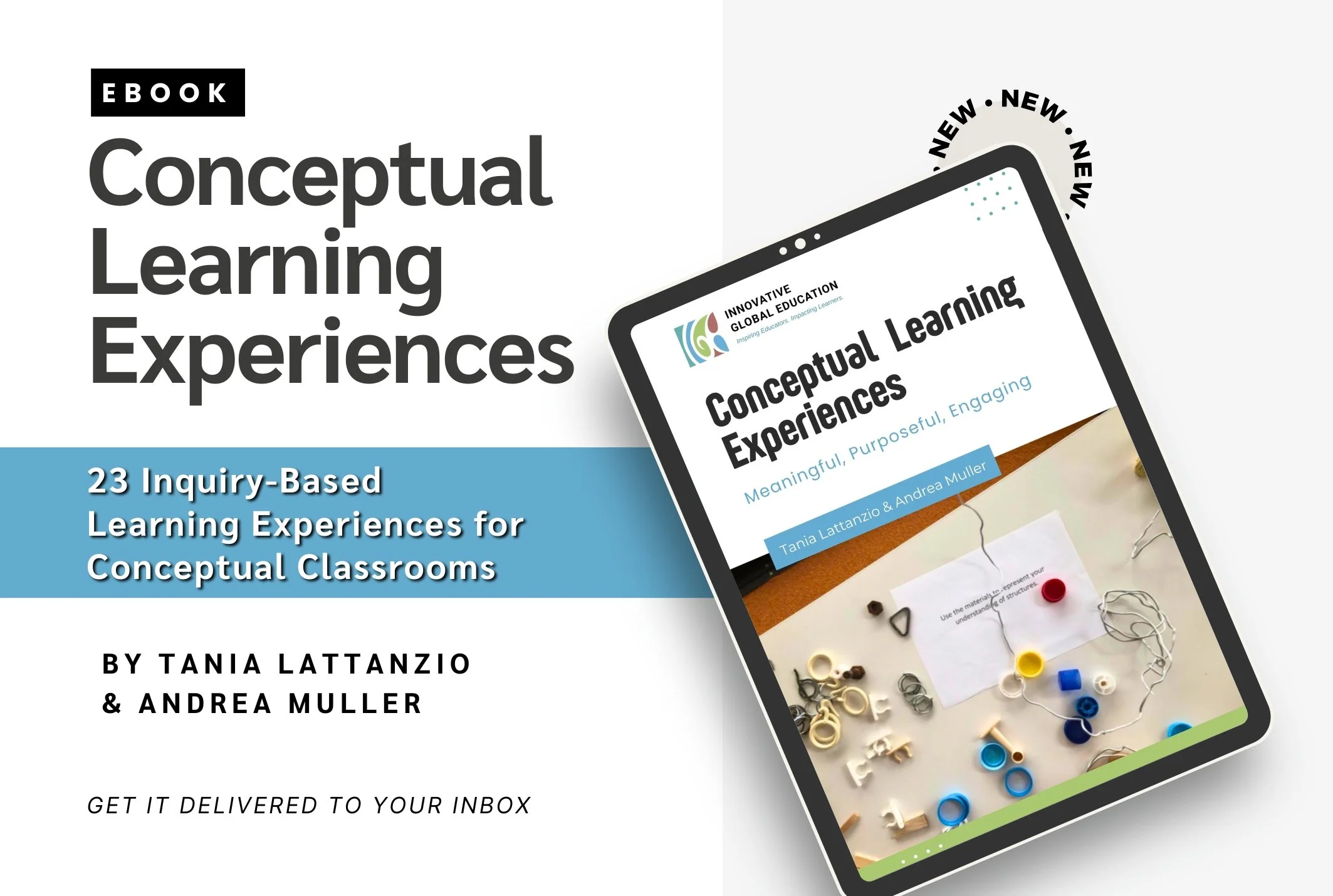
Conceptual Learning Experiences
Meaningful • Purposeful • Engaging
At the heart of powerful teaching lies the ability to design learning that matters, learning that connects ideas, sparks curiosity, and invites deep thinking. Conceptual Learning Experiences offers a practical collection of 23 tried-and-tested engagements that help educators move beyond surface activities toward experiences that build understanding.
Created by Tania Lattanzio and Andrea Muller, this eBook is designed for educators who want to:
Create classrooms where learners are thinkers and sense-makers.
Use inquiry to explore big ideas.
Encourage dialogue, reflection, and transfer of learning.
Each experience is clearly explained with what it is, how it works, and why it matters, making it easy to adapt across age levels and disciplines. Whether you’re designing a provocation, facilitating reflection, or extending conceptual inquiry, this resource will support you in crafting learning that is purposeful, enduring, and empowering.