
Creativity Representation: When Understanding Takes Many Forms
When we focus on concepts, students can demonstrate understanding in multiple ways throughout a unit, not just through writing and not just at the end.
Students are no longer limited to demonstrating their understanding through writing alone.
Instead, they can show what they understand in a variety of ways.
As Tina Blythe (1998) reminds us:
“Whatever it is, the way you tell your story online can make all the difference.”
A student exploring the concept of systems might use loose parts to represent connections and interactions. Another might construct a model from tin foil. Others might communicate their thinking through photography, drawings, diagrams, movement, digital media, or oral explanations.
When concepts sit at the centre of learning, these representations can be used throughout the entire inquiry. They become opportunities for students to make their thinking visible, test theories, revisit ideas, and demonstrate increasingly sophisticated understanding over time.
Importantly, this process also creates space for creativity.
Students are not simply recalling information. They are making decisions about how best to represent ideas, connections, relationships, and understandings. Creativity becomes a vehicle for thinking. Learners experiment with materials, explore possibilities, consider perspectives, and communicate meaning in ways that are personally meaningful and authentic.
As Teresa Amabile (1996) reminds us, creativity involves the production of novel and useful ideas. When students use shape tiles, loose parts, tin foil, photography, or natural materials to represent concepts, they are not simply making artefacts. They are generating and communicating ideas.
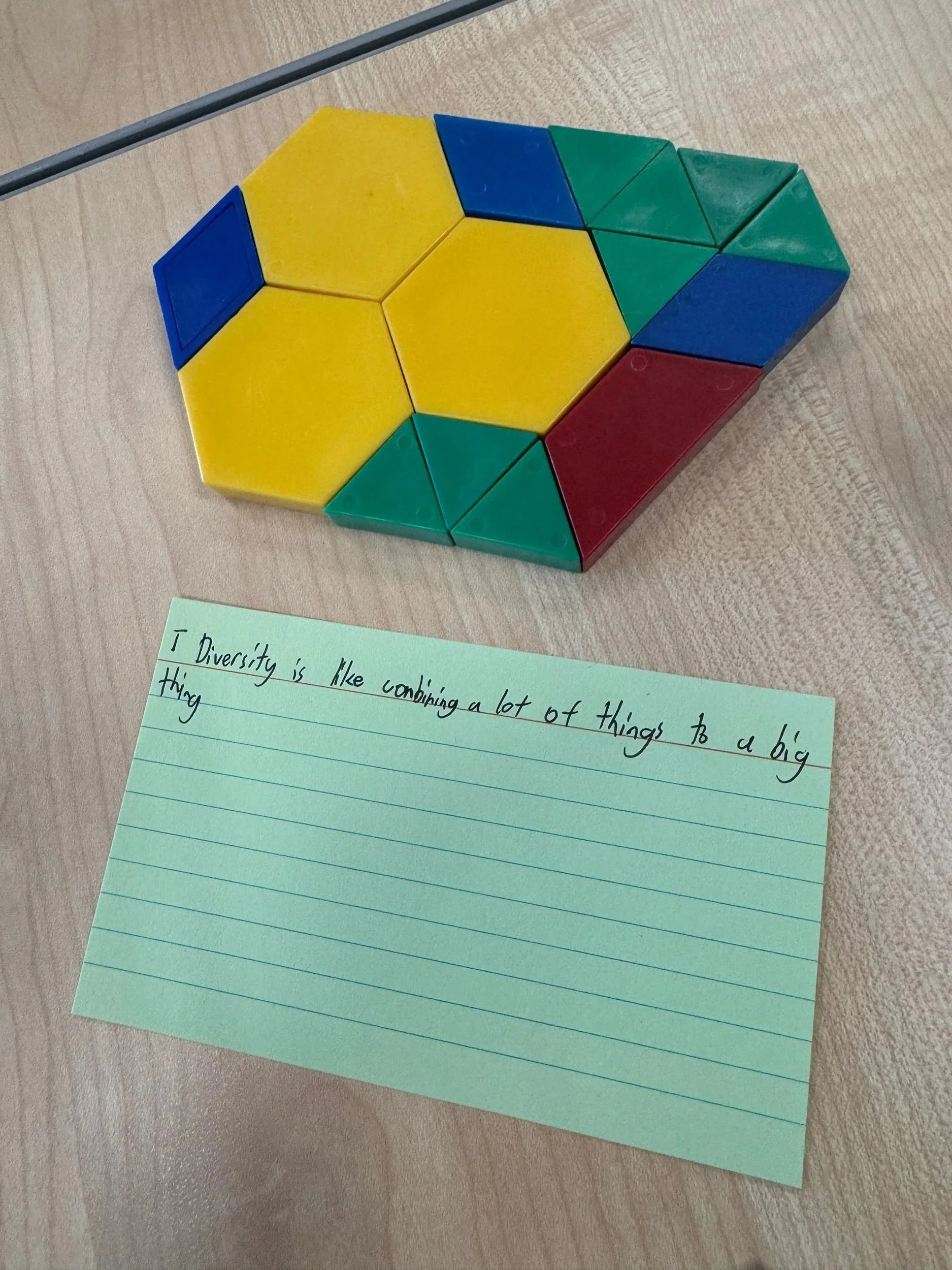
Each representation provides valuable evidence of learning.
This image represents far more than a collection of shape tiles.
It represents thinking.
As part of an inquiry into diversity, a Grade 4 student from Shanghai American School used pattern blocks to represent their understanding of diversity and then explained their thinking:
"Diversity is like combining a lot of things to a big thing."
The explanation provides a window into the student's current understanding. The student is beginning to recognize that diversity involves many different parts coming together to create something larger.
Too often, opportunities like this are viewed as activities for younger learners or as introductory provocations at the beginning of a unit.
Yet when we focus on concepts, representations like these can occur throughout the learning journey. More importantly, each representation allows students to think, create, and make meaning.
As Susan Engel (2021) so beautifully states:
“The experience of thinking for oneself is one of the most powerful pleasures in life.”
Each of these representations provides teachers with opportunities to collect evidence of understanding as it develops, rather than waiting until the end of the unit.
This is where continuous assessment becomes powerful. Rather than waiting until the end of a unit to determine what students understand, teachers can gather evidence throughout the learning process by observing, documenting, discussing, and interpreting the many ways students represent their thinking.
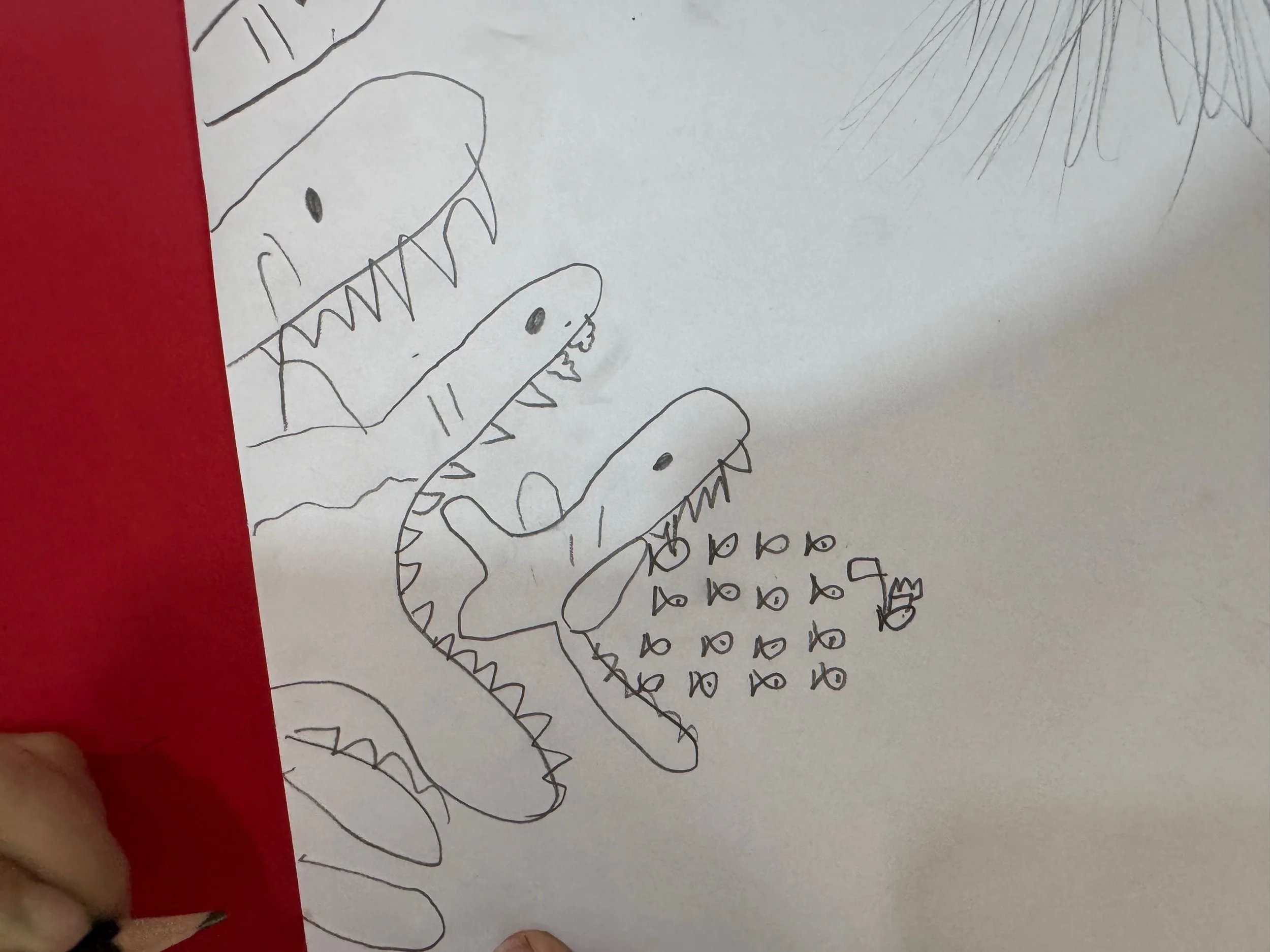
In this example from Canadian International School Bangalore, a student visualised their understanding of connectedness within an environment. The student's thinking was that larger organisms depend on smaller organisms for survival. The drawing demonstrates an emerging understanding that living things exist within interconnected systems and that changes to one part of a system can affect others.
When we focus on concepts, we create greater opportunities for learners to:
• make thinking visible
• demonstrate understanding in different ways
• engage creatively with ideas and materials
• revisit and refine their theories
• connect ideas across contexts
• move naturally from concrete to abstract understanding
• communicate meaning in personally relevant ways
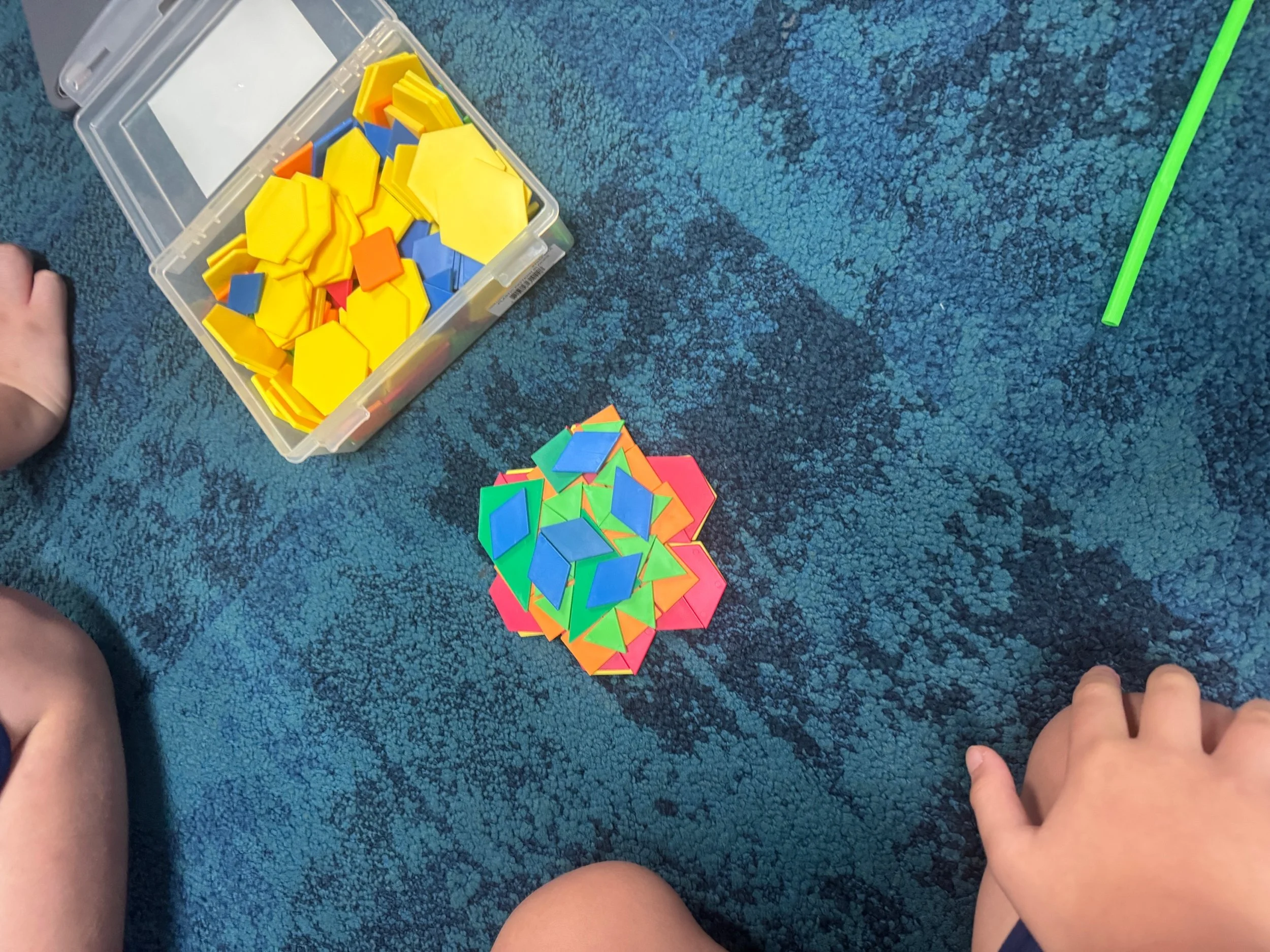
At the International School of Ho Chi Minh City, students had been learning about Earth's natural processes. Using loose parts, they visually represented their current understanding and explained the thinking behind their models. The representation provided the teacher with valuable insight into how students were making sense of patterns, relationships, and processes occurring within Earth's systems. It also revealed misconceptions, emerging understandings, and opportunities for further inquiry.
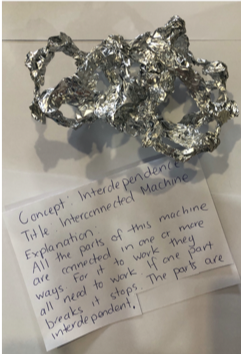
In this example using tin foil, the student communicates their understanding of interdependence. "All the parts of this machine are connected in one or more ways for it to work. If one part breaks it stops. The parts are interdependent."
This gives us rich evidence of conceptual understanding. The student is demonstrating an understanding of:
relationships
systems
connection
dependency
consequences of change
part-whole relationships
all through a self-created representation.
Perhaps the question is not:
"How will students show their learning at the end?"
But rather:
"How many opportunities will students have to make their understanding visible, creative, and meaningful throughout the learning journey?"
When concepts drive learning, creativity is no longer an add-on or enrichment activity. It becomes one of the ways learners construct, represent, and deepen understanding.
As Ken Robinson (2006) reminds us:
“Creativity is as important in education as literacy, and we should treat it with the same status.”
Understanding is not the product. Understanding is made visible through the many ways learners represent, explain, revisit, and refine their thinking.
References:
Amabile, T. M. (1996). Creativity in Context. Boulder, CO: Westview Press.
Blythe, T. (1998). The Teaching for Understanding Guide. San Francisco, CA: Jossey-Bass.
Engel, S. (2021). The Intellectual Lives of Children. Cambridge, MA: Harvard University Press.
Robinson, K. (2006). Do Schools Kill Creativity? TED Conference. Retrieved from https://www.ted.com/talks/ken_robinson_do_schools_kill_creativity
Further Reading & Professional Learning
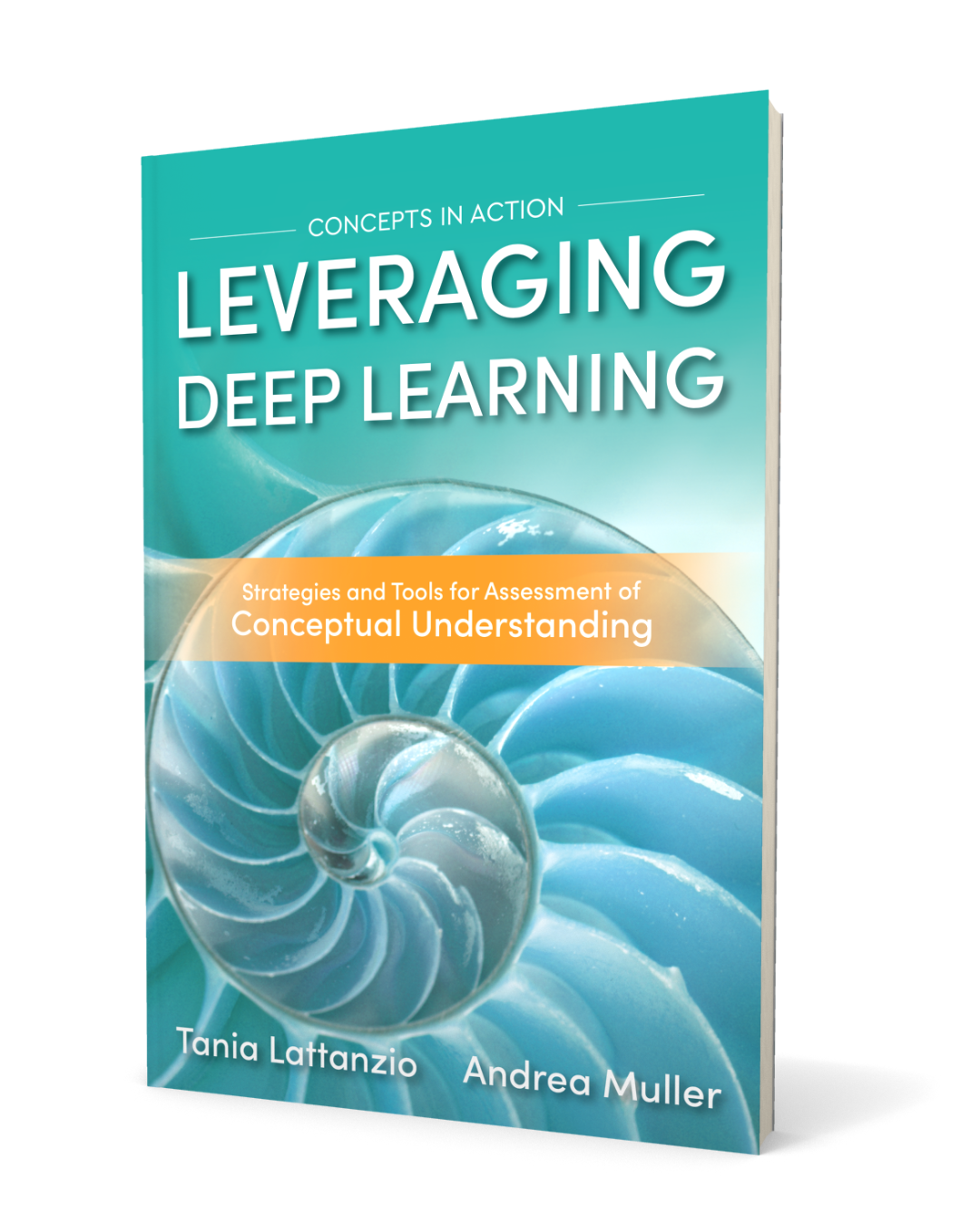
If you found this conversation around curiosity, inquiry, and conceptual understanding helpful, I highly recommend exploring our book:
Leveraging Deep Learning: Strategies and Tools for Assessment of Conceptual Understanding - A thoughtful resource for educators looking to move beyond surface-level engagement and design learning experiences that foster deeper thinking, transfer, and meaning-making.
You can also explore more articles, latest workshops, consulting services, and professional learning opportunities through Innovative Global Education:
Visit our website: https://www.innovativeglobaled.org
Get in touch: info@innovativeglobaled.org
Subscribe to our newsletter to stay connected with future reflections and resources on inquiry, learning design, student agency, and more.